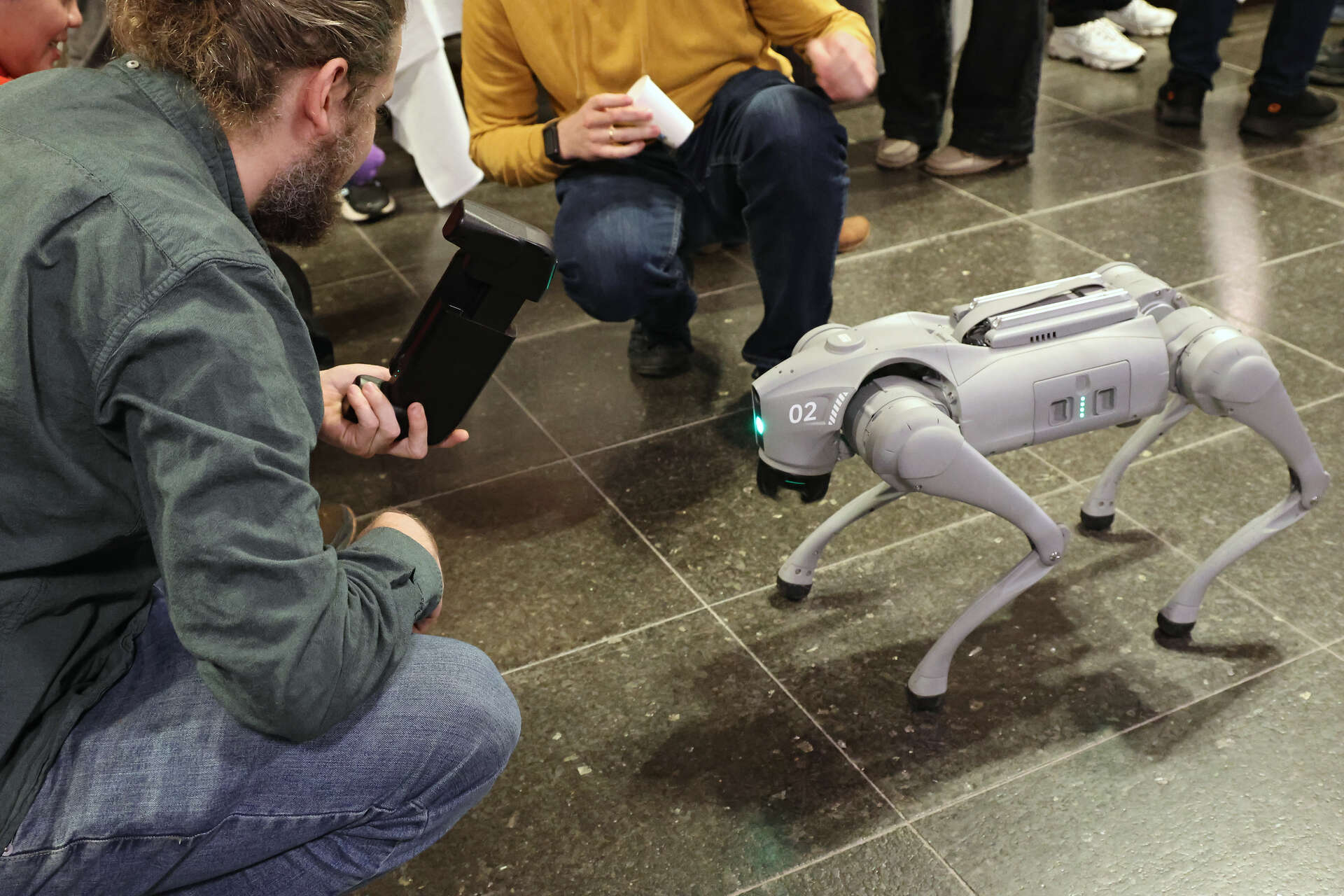
Networking in The Science Library
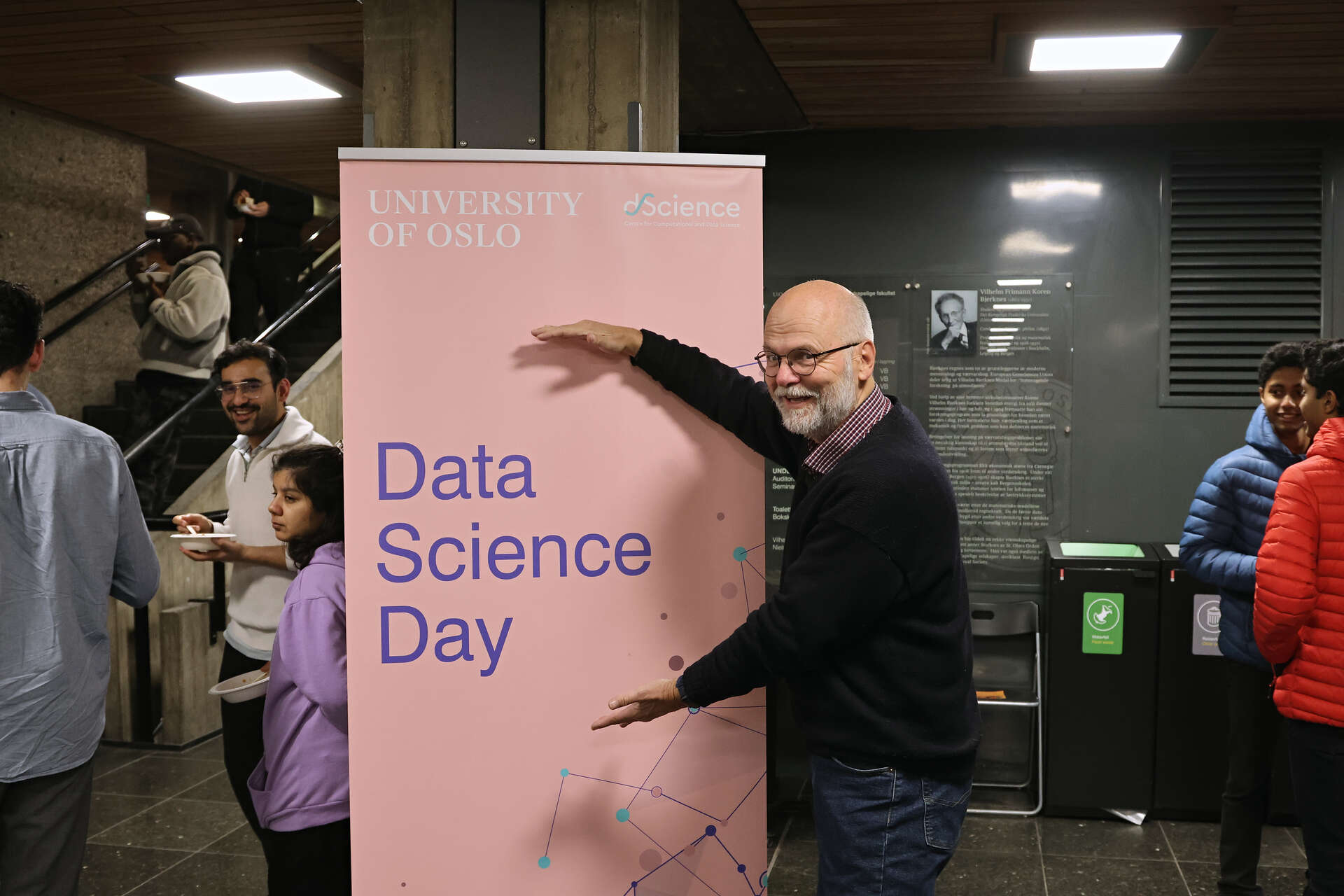
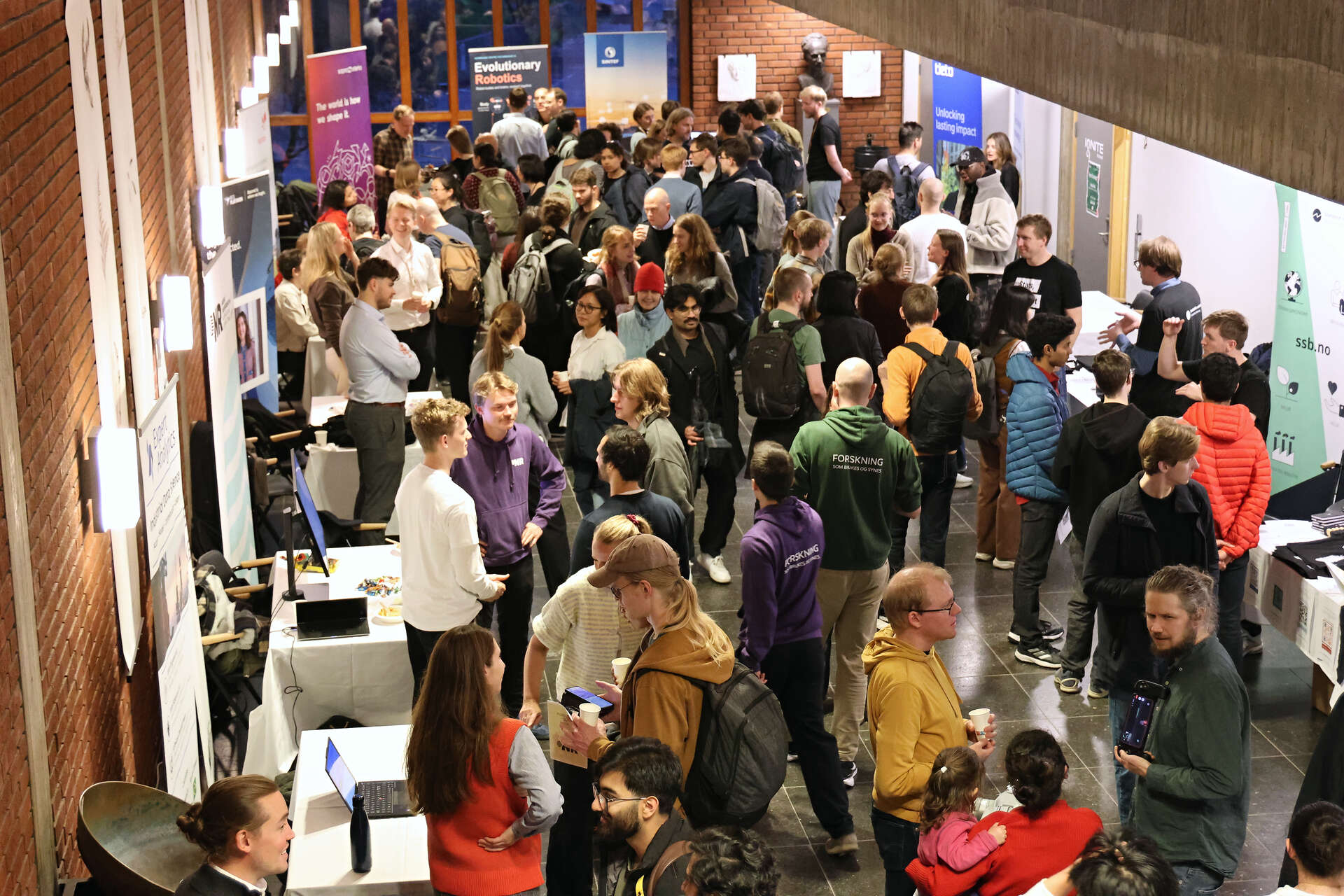
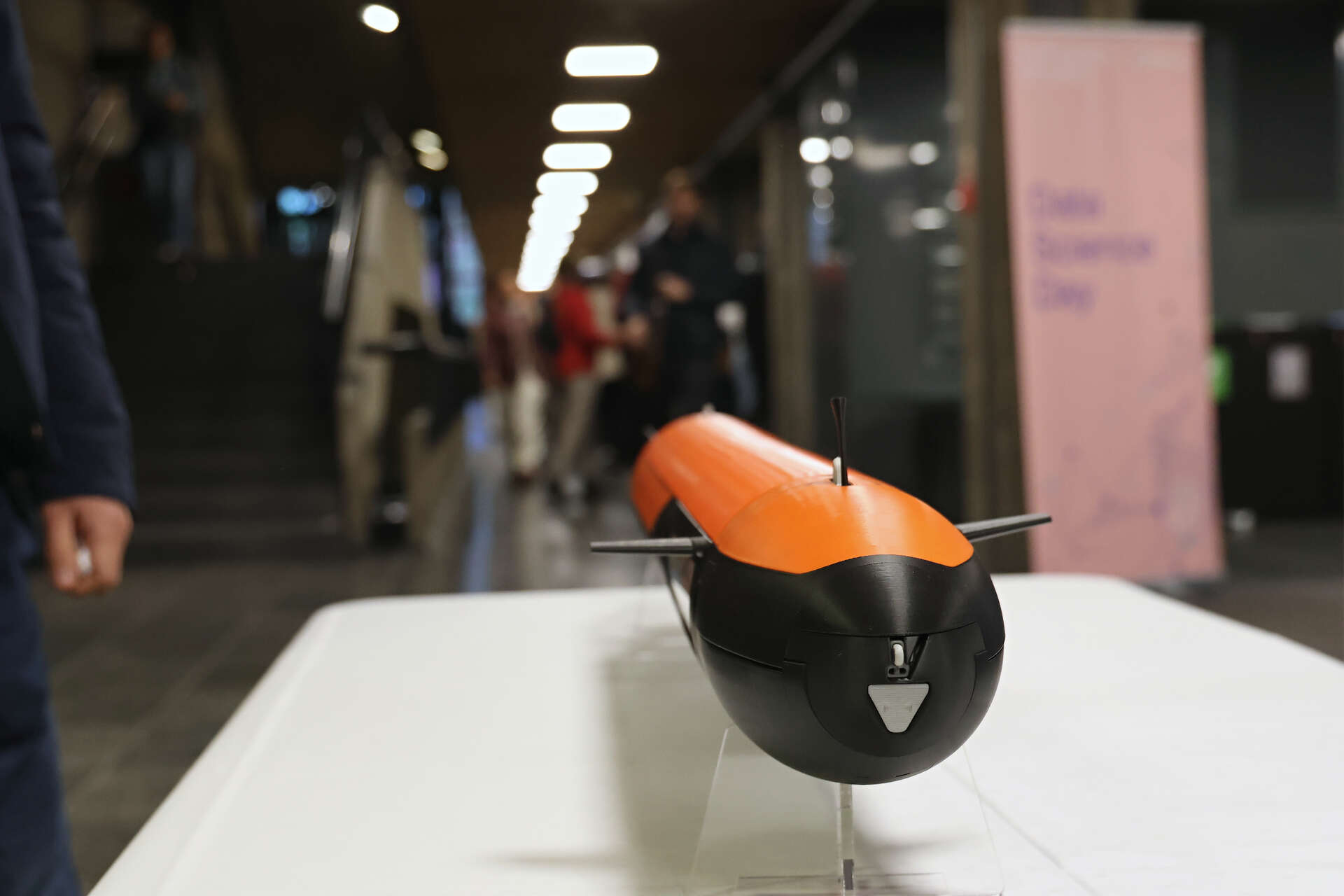
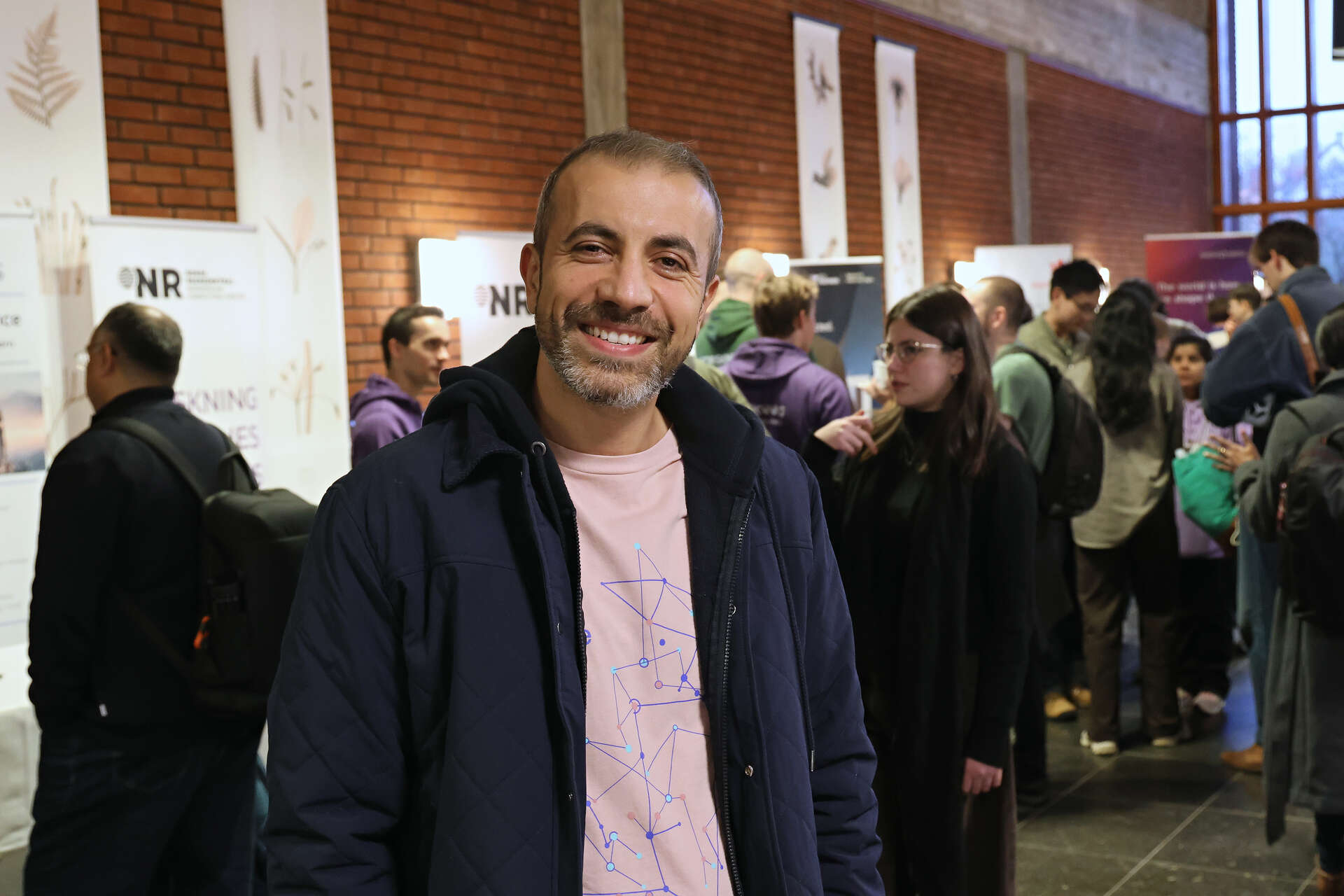
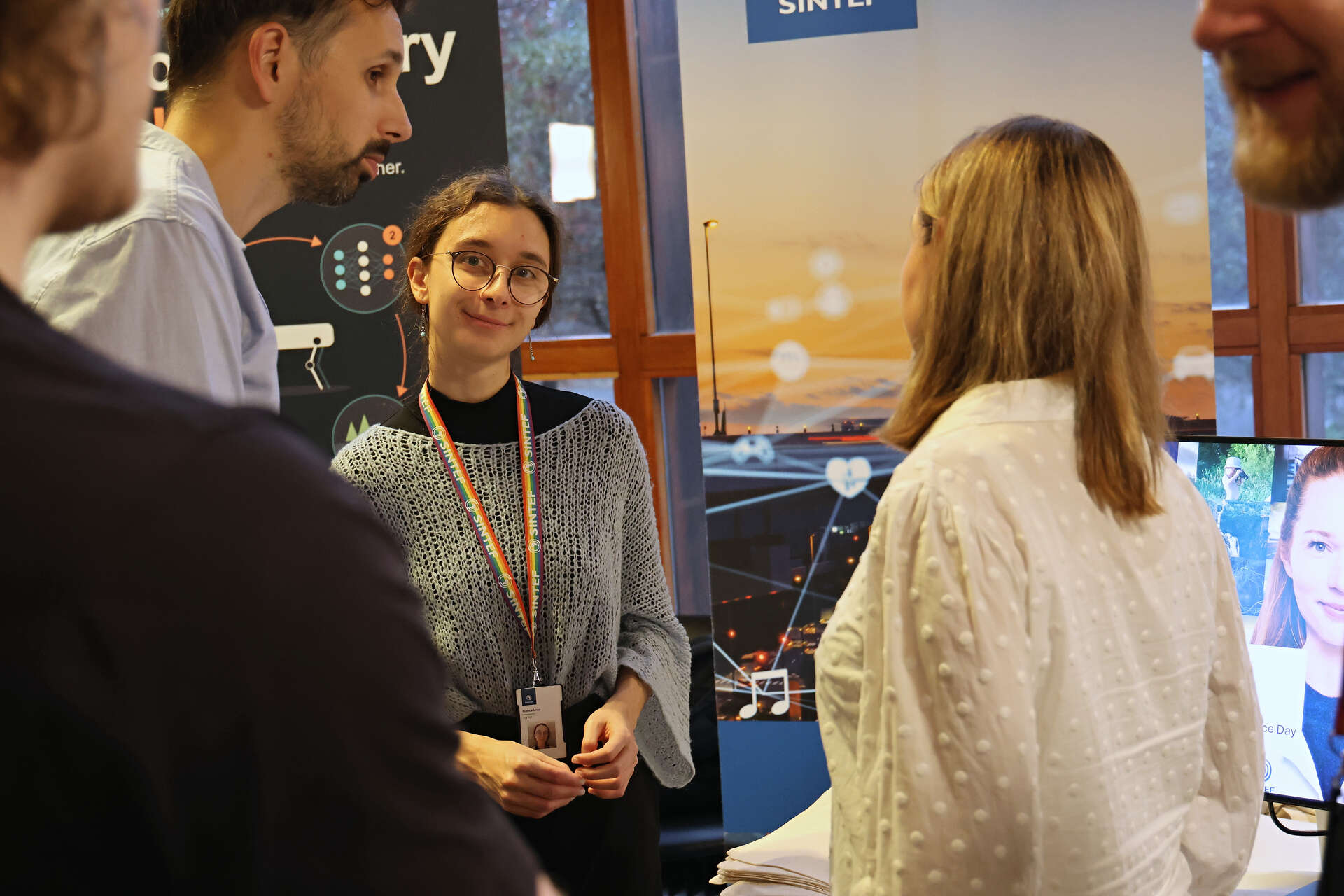
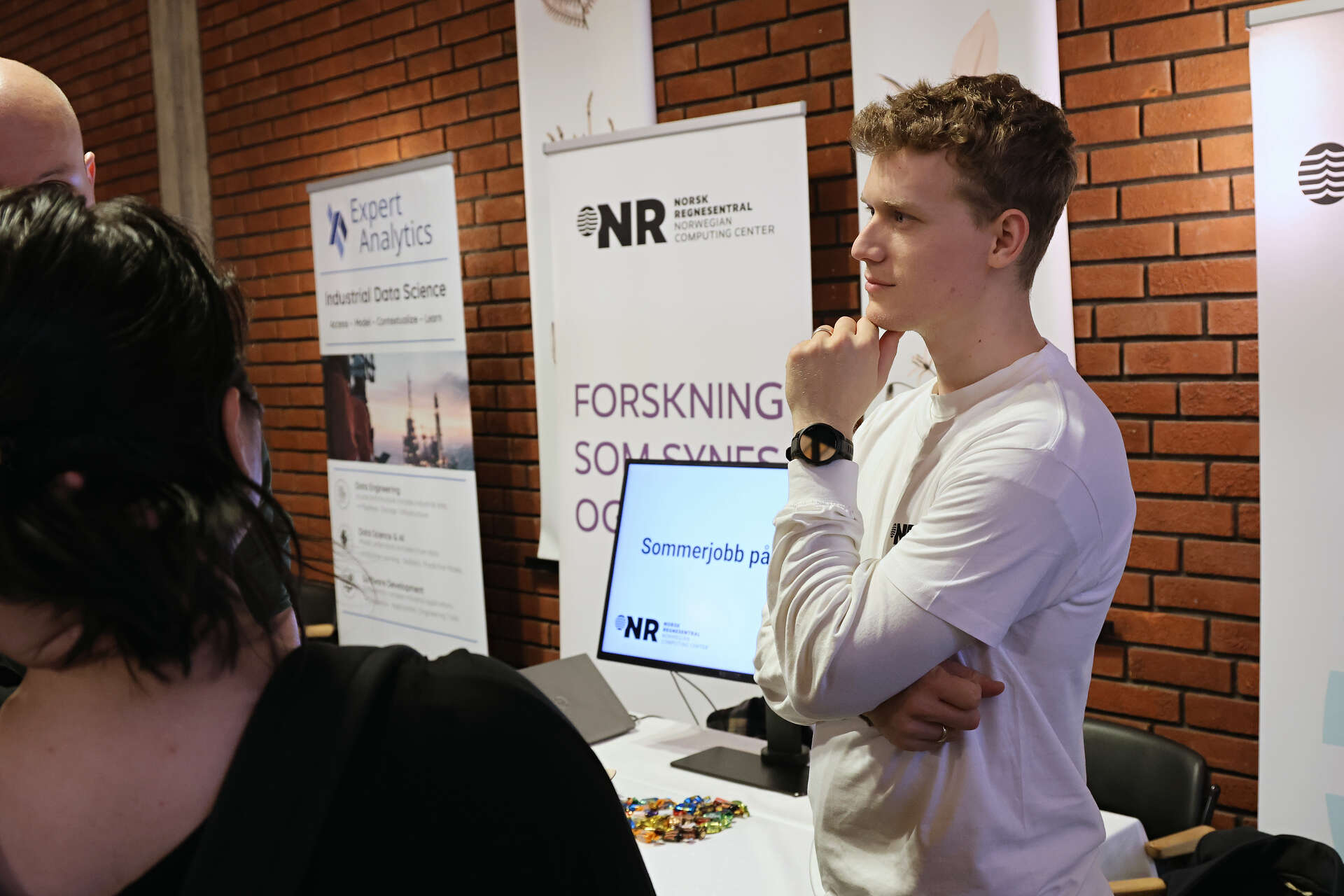
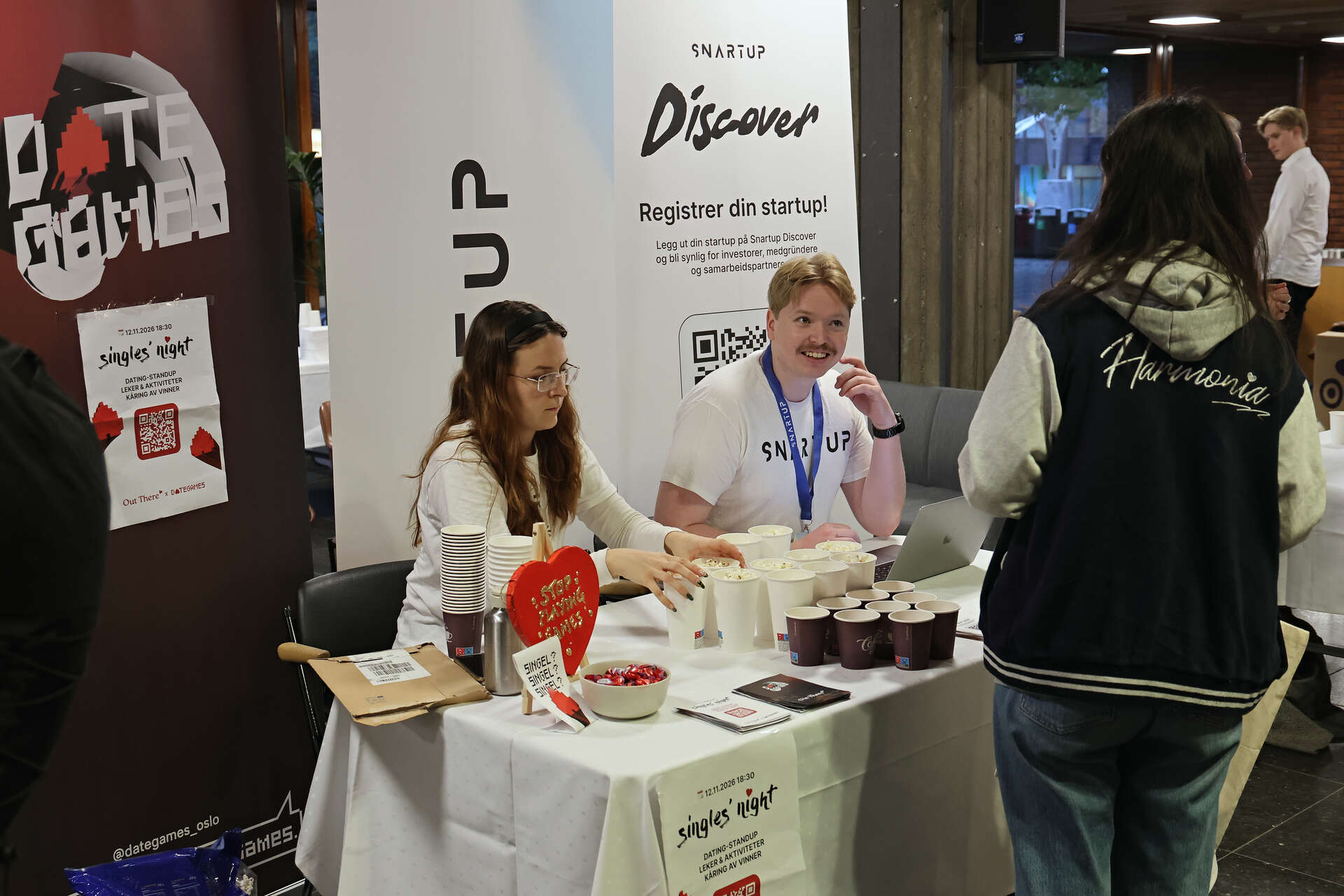
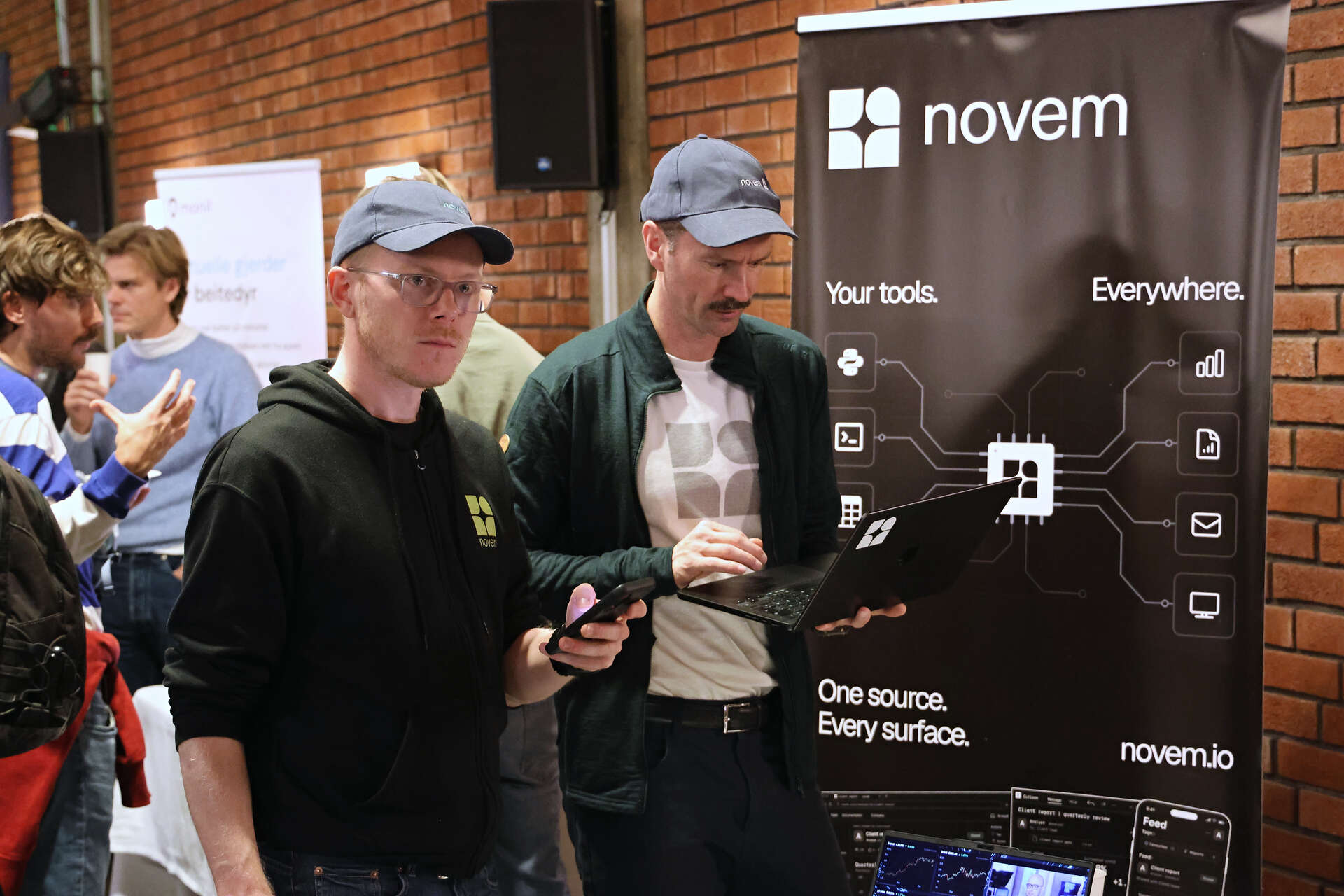
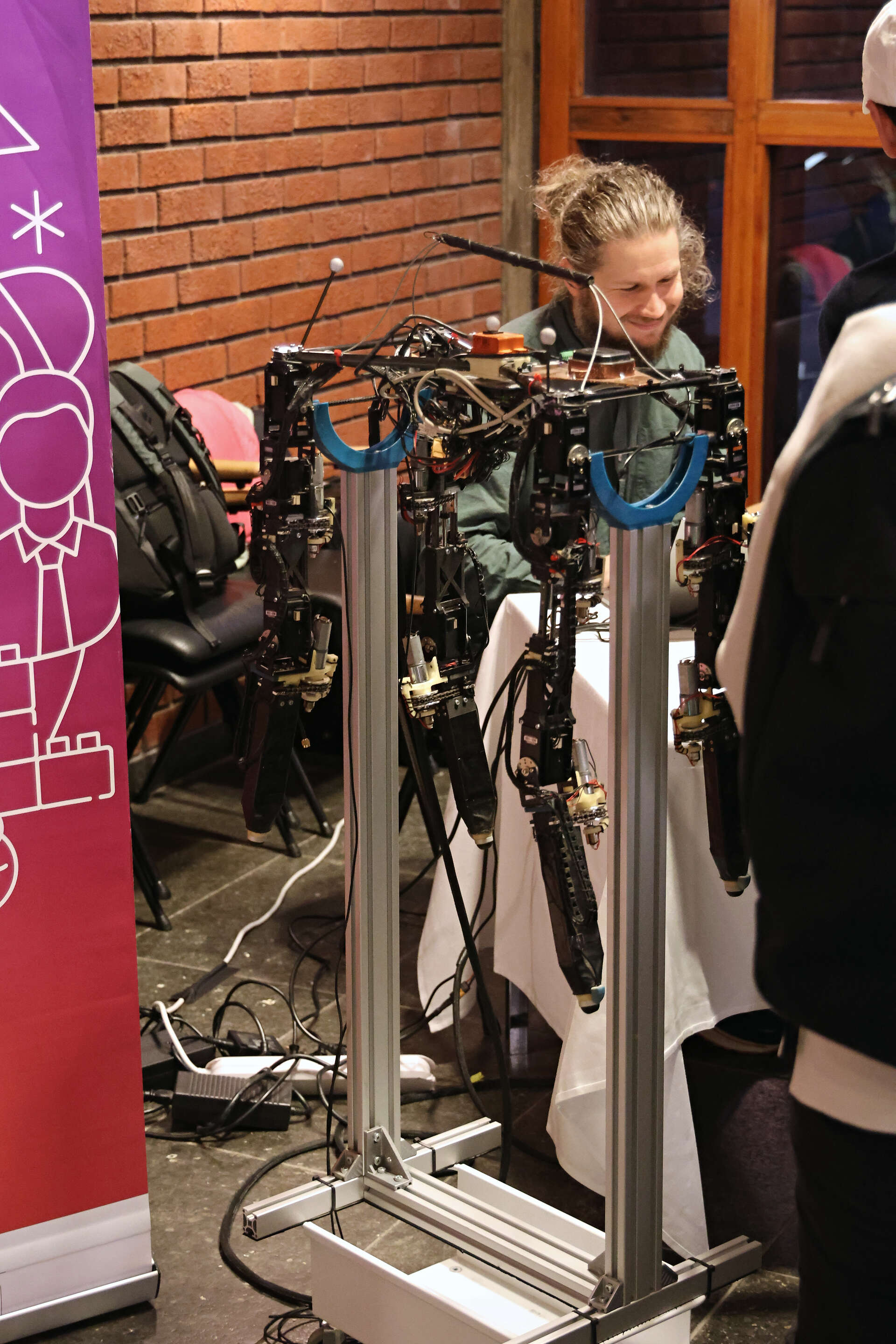
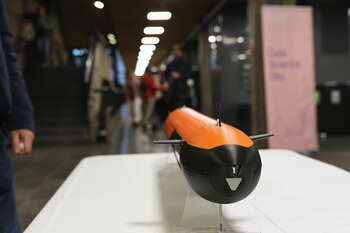
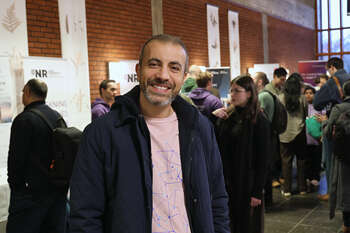
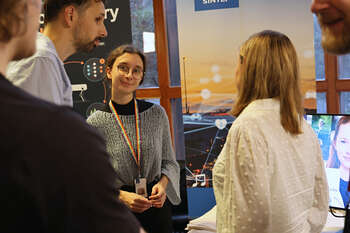
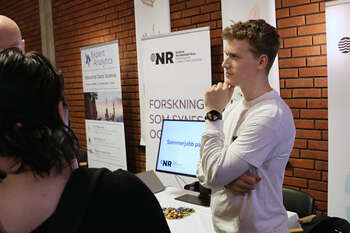
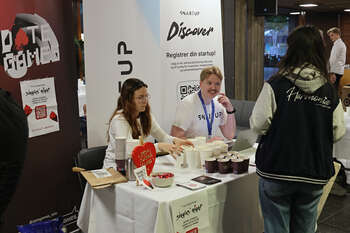
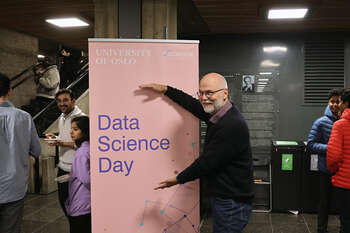
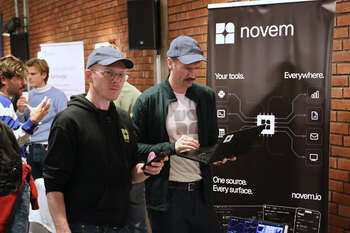
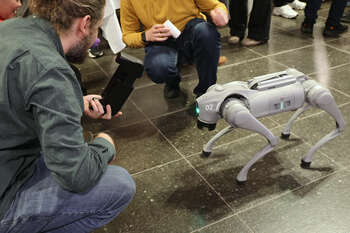
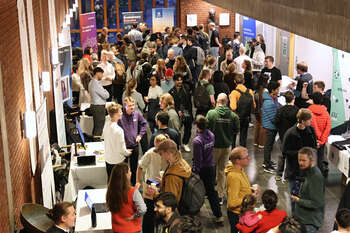
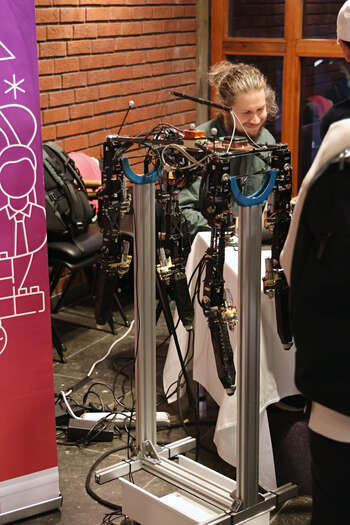
On 15 October, the Science Library was filled with participants meeting representatives from companies, public organisations and research institutions. With a wide range of organisations represented at the stands, participants had plenty of opportunities to discuss career paths, exchange ideas and learn how data science and AI are being used across different sectors.
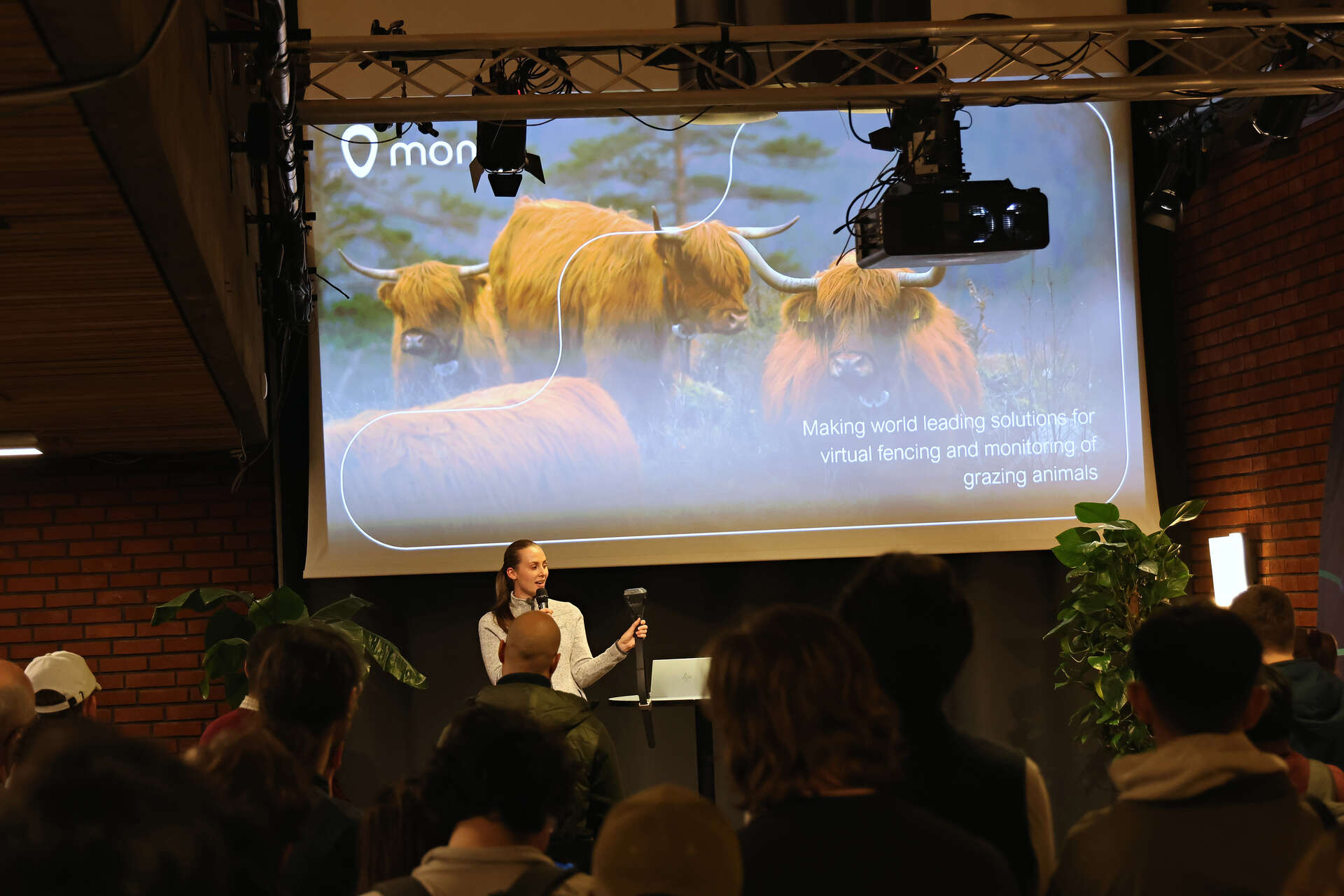
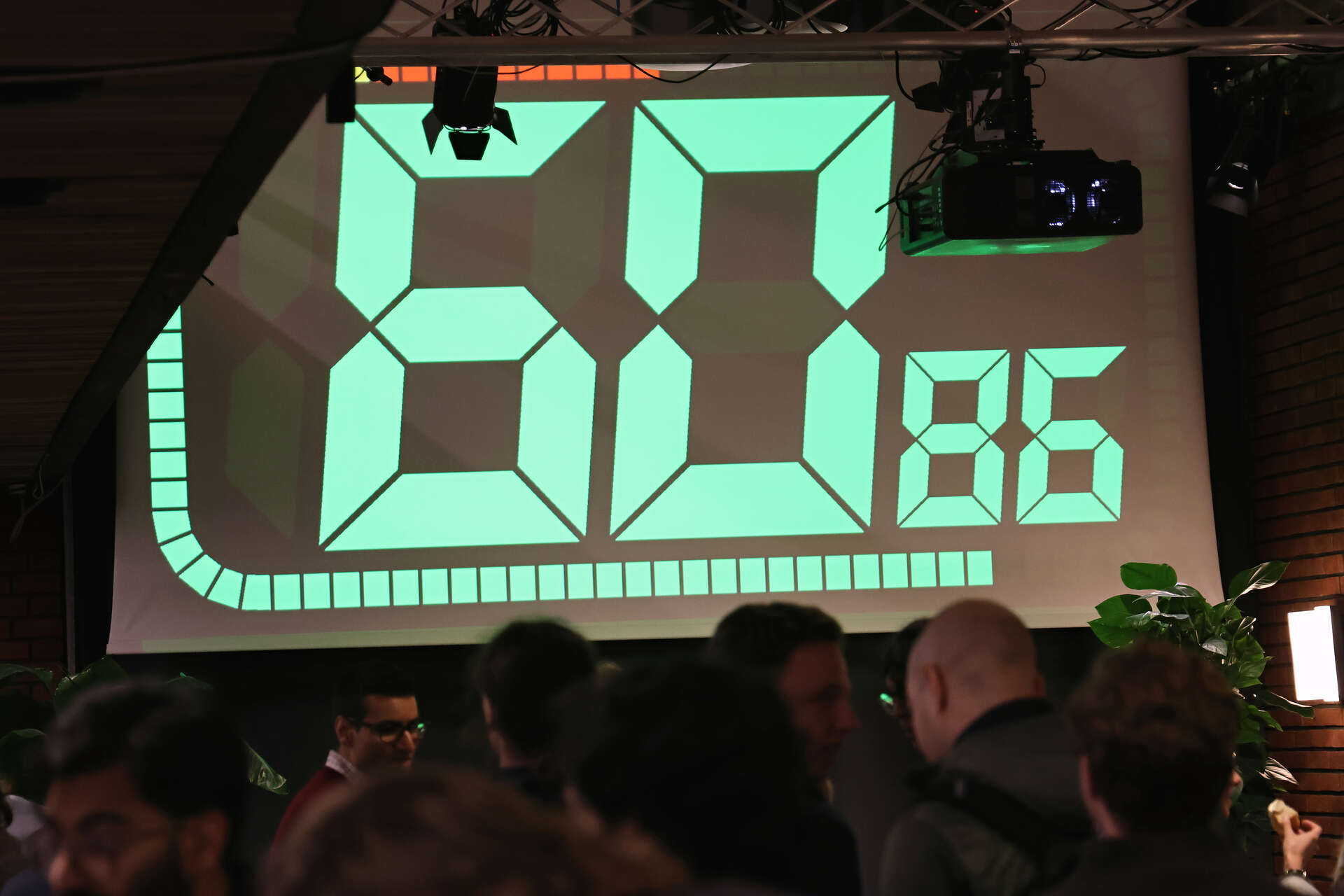
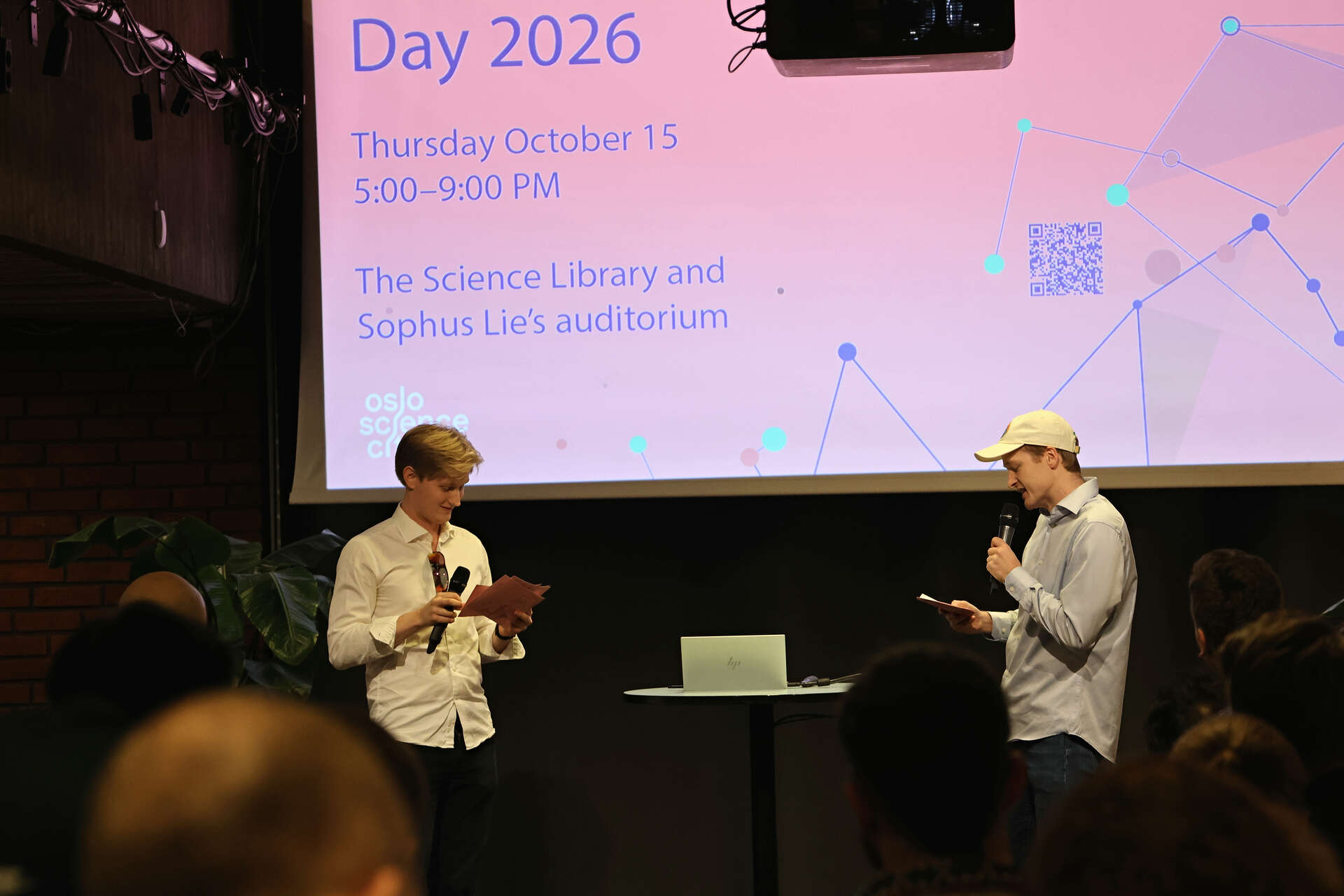
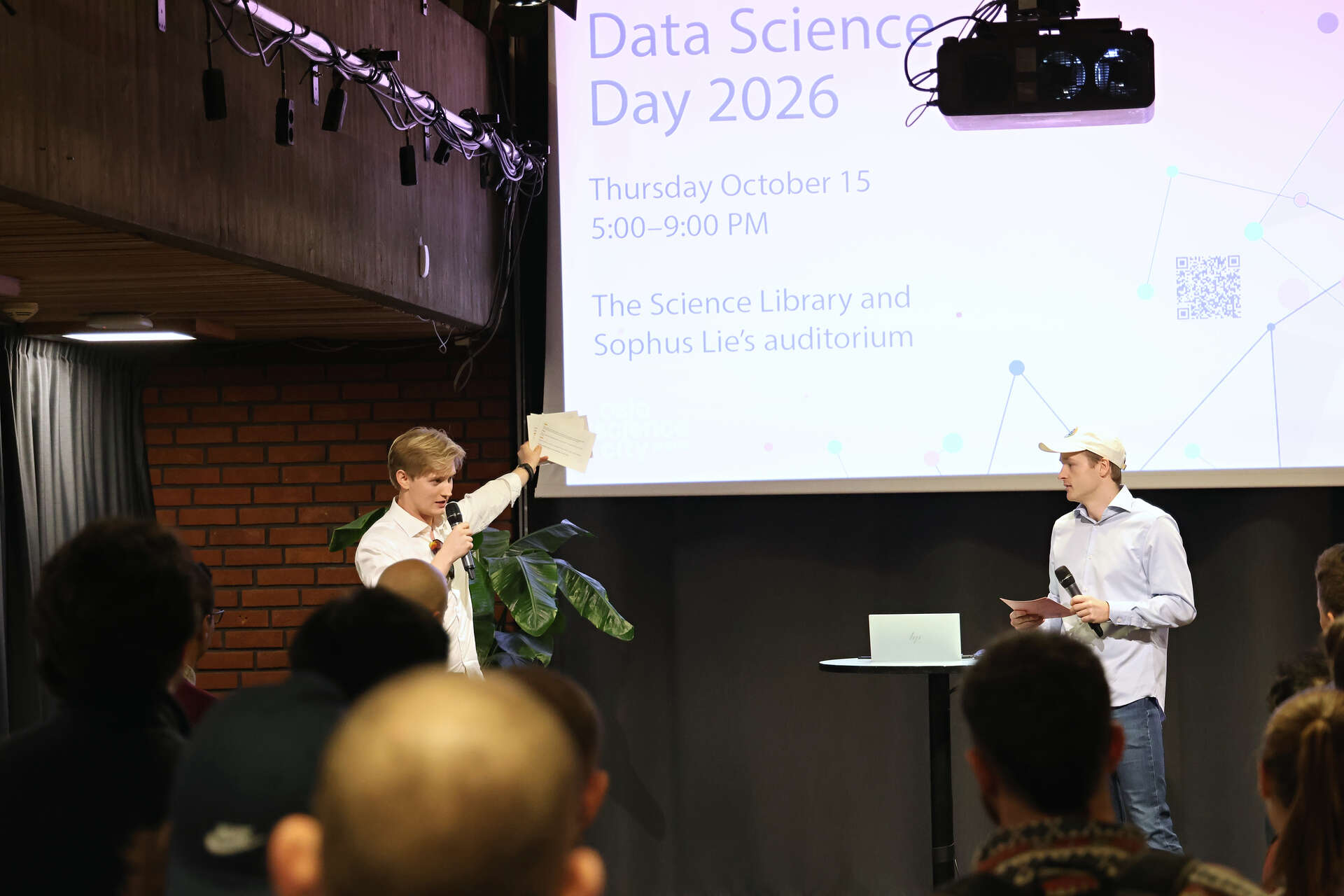
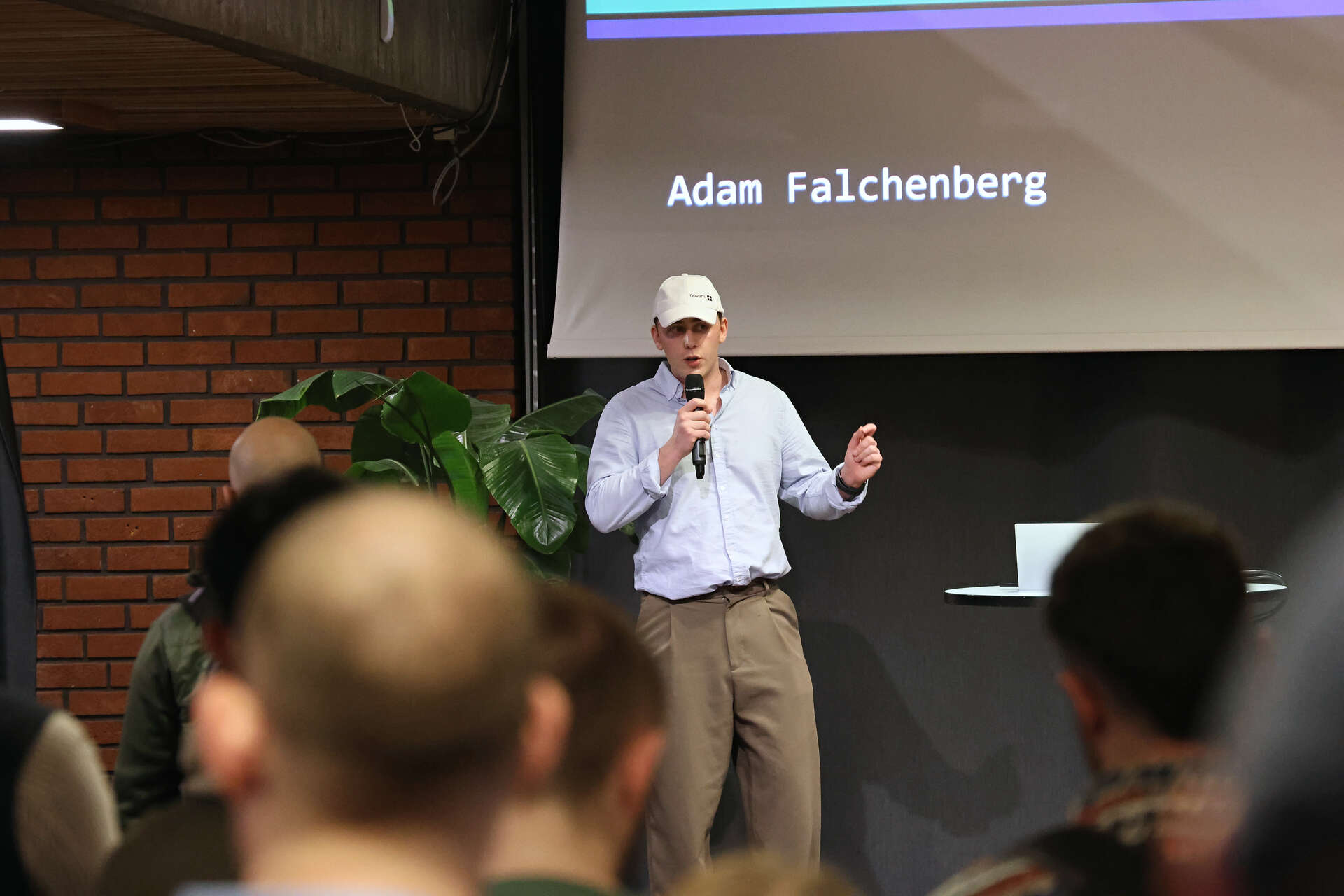
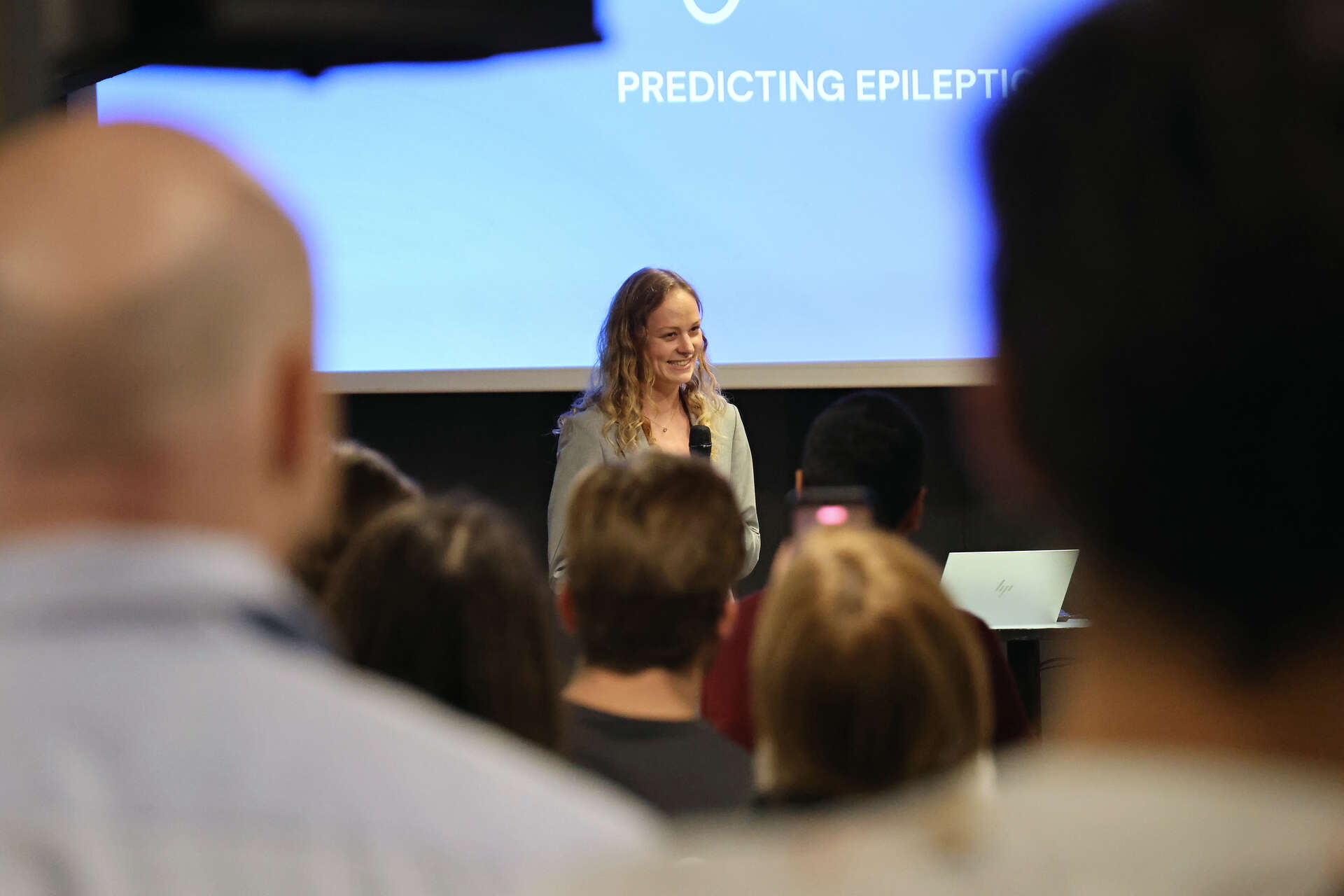
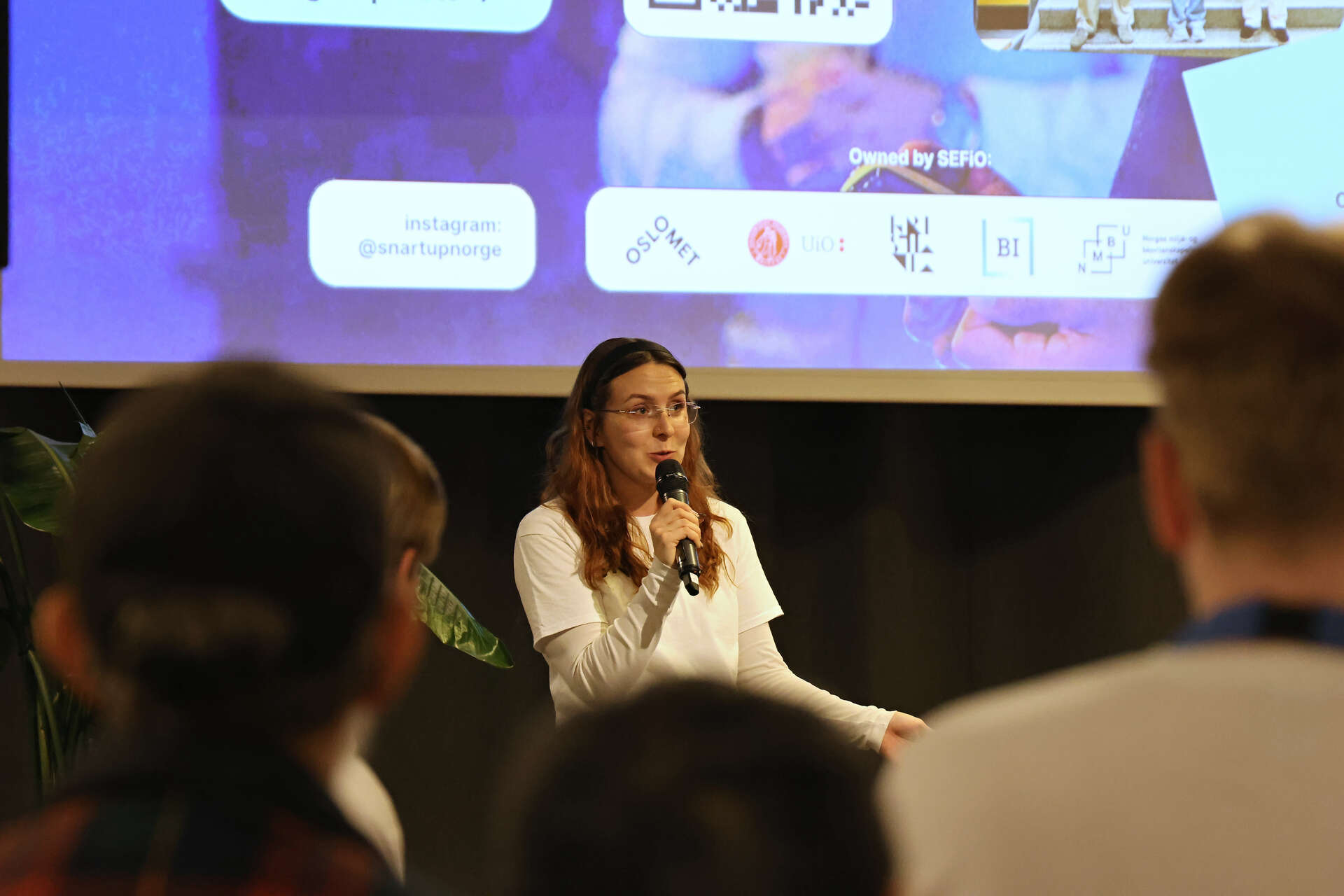
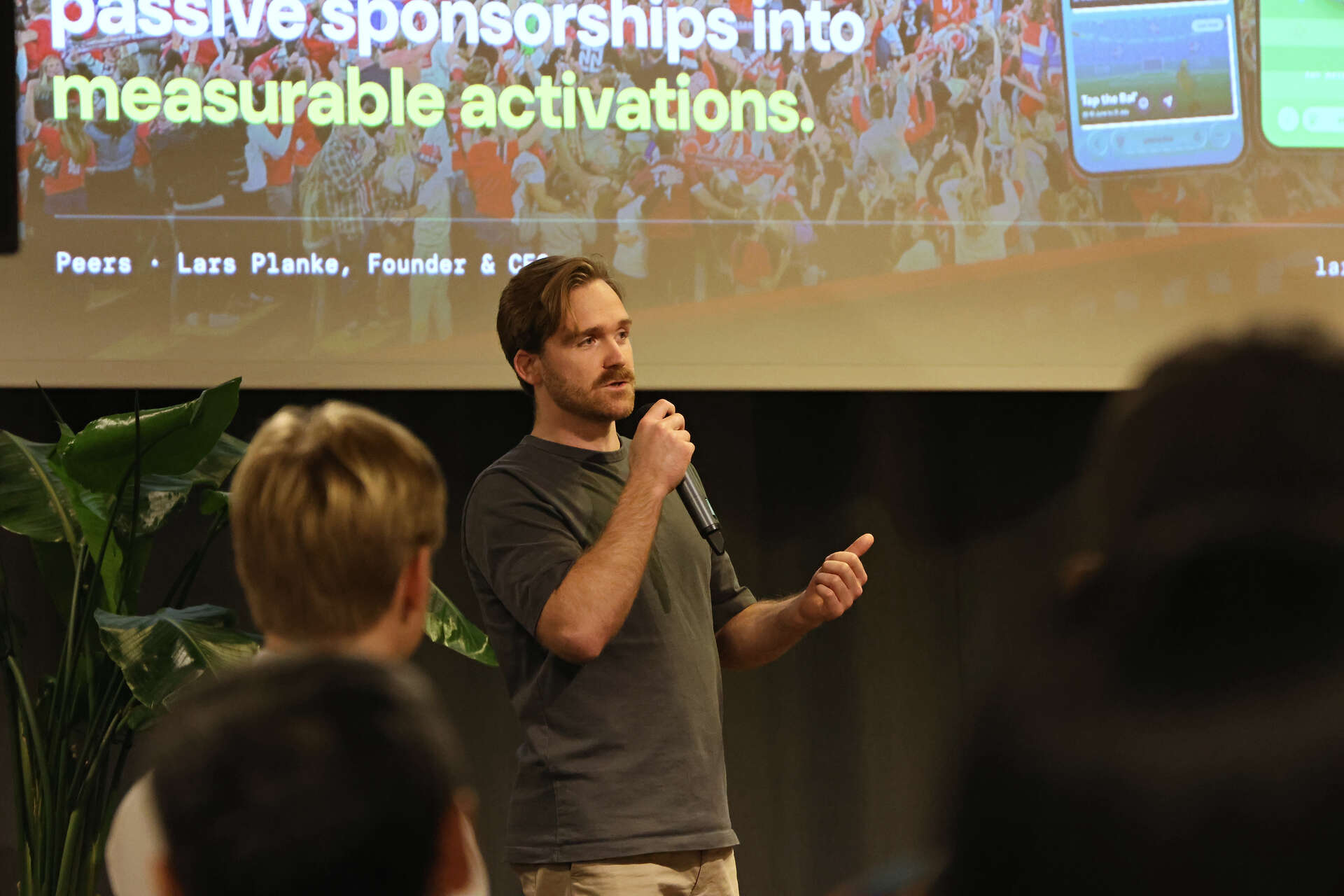
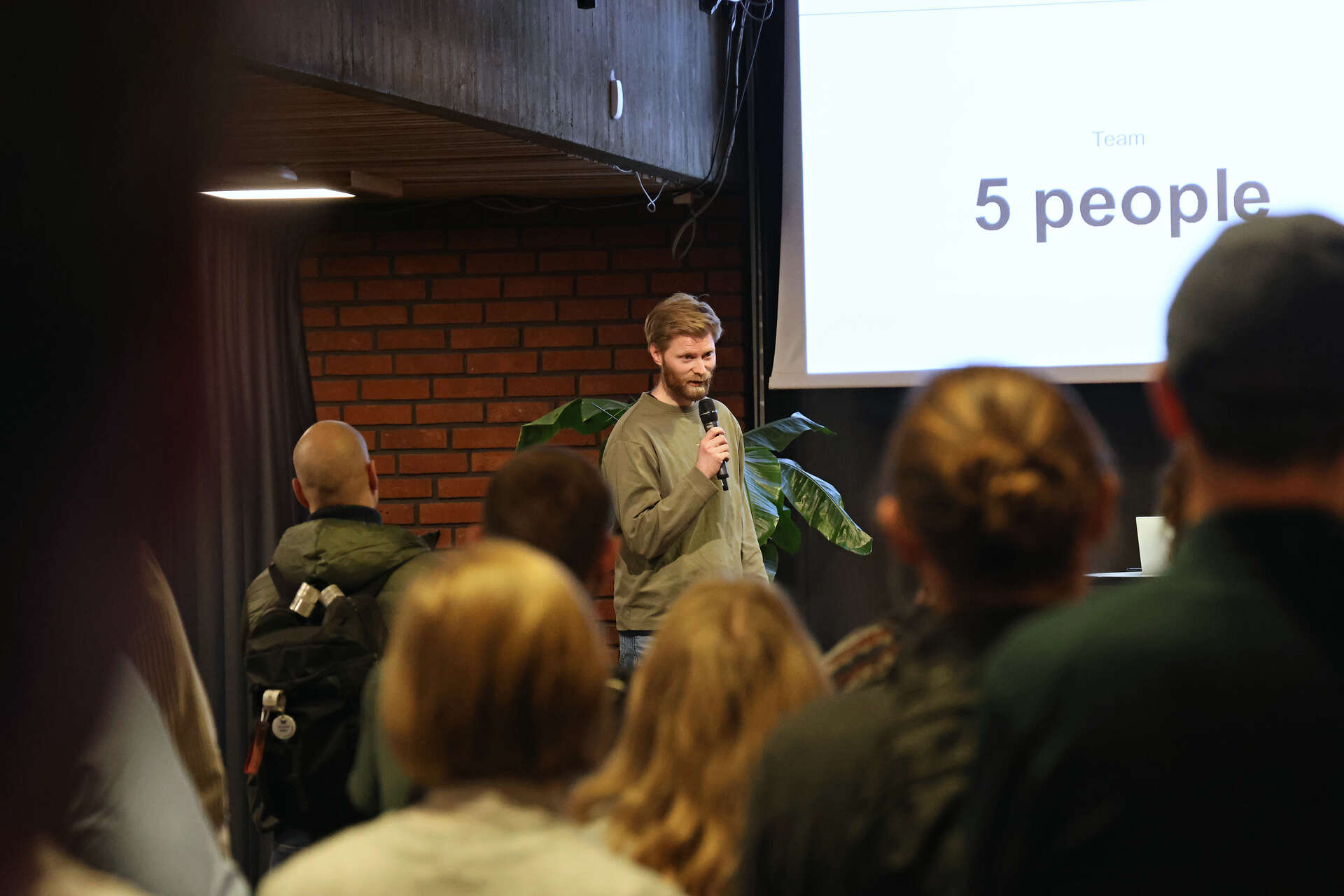
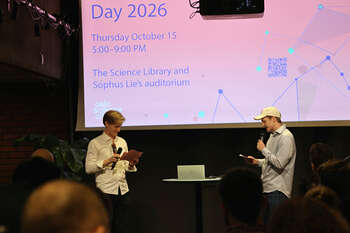
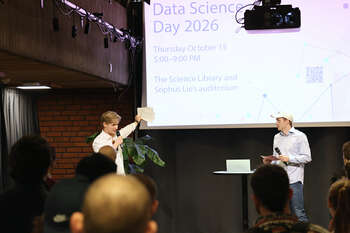
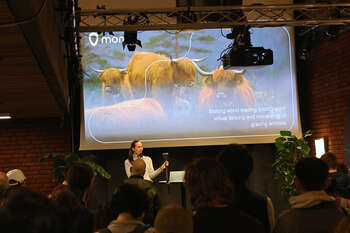
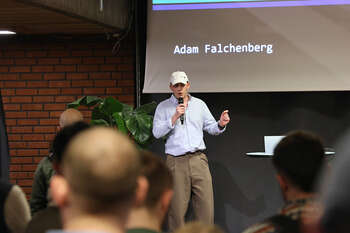
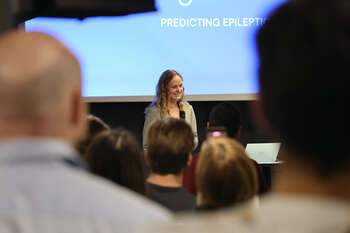
For the first time, Data Science Day also featured a startup pitch session. The new addition gave startups a chance to present their ideas and connect with potential partners and future employees.
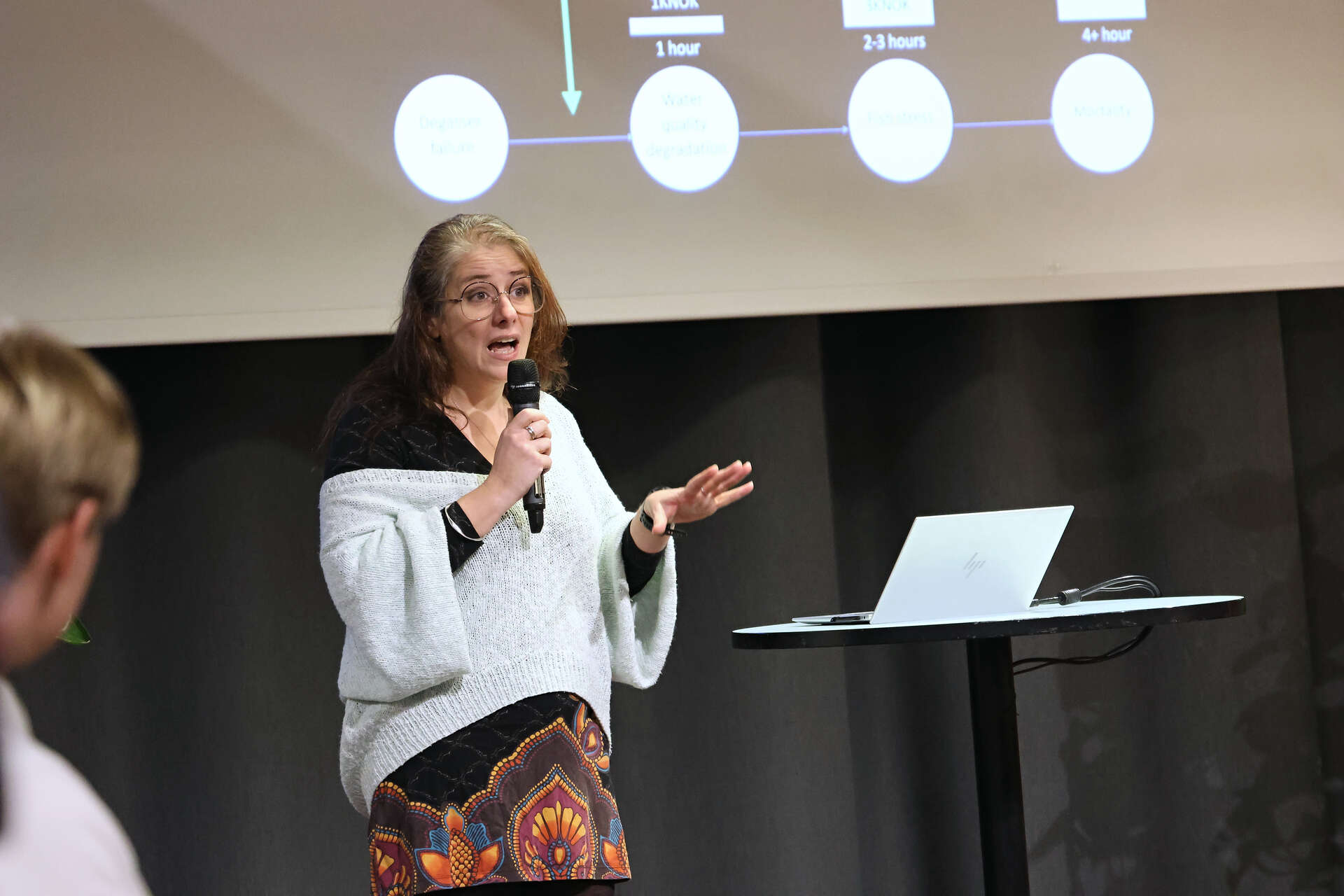
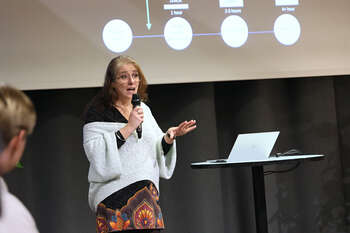
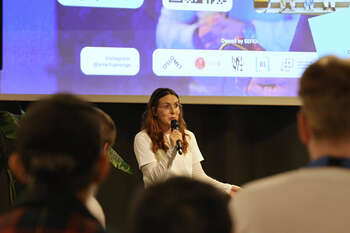
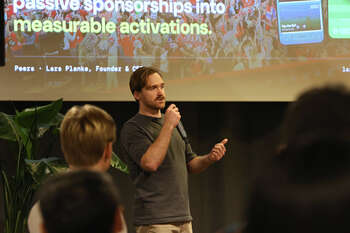
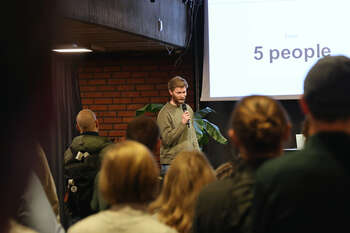
See more photos from Data Science Day below.


From self-driving vehicles to robots that predict the future
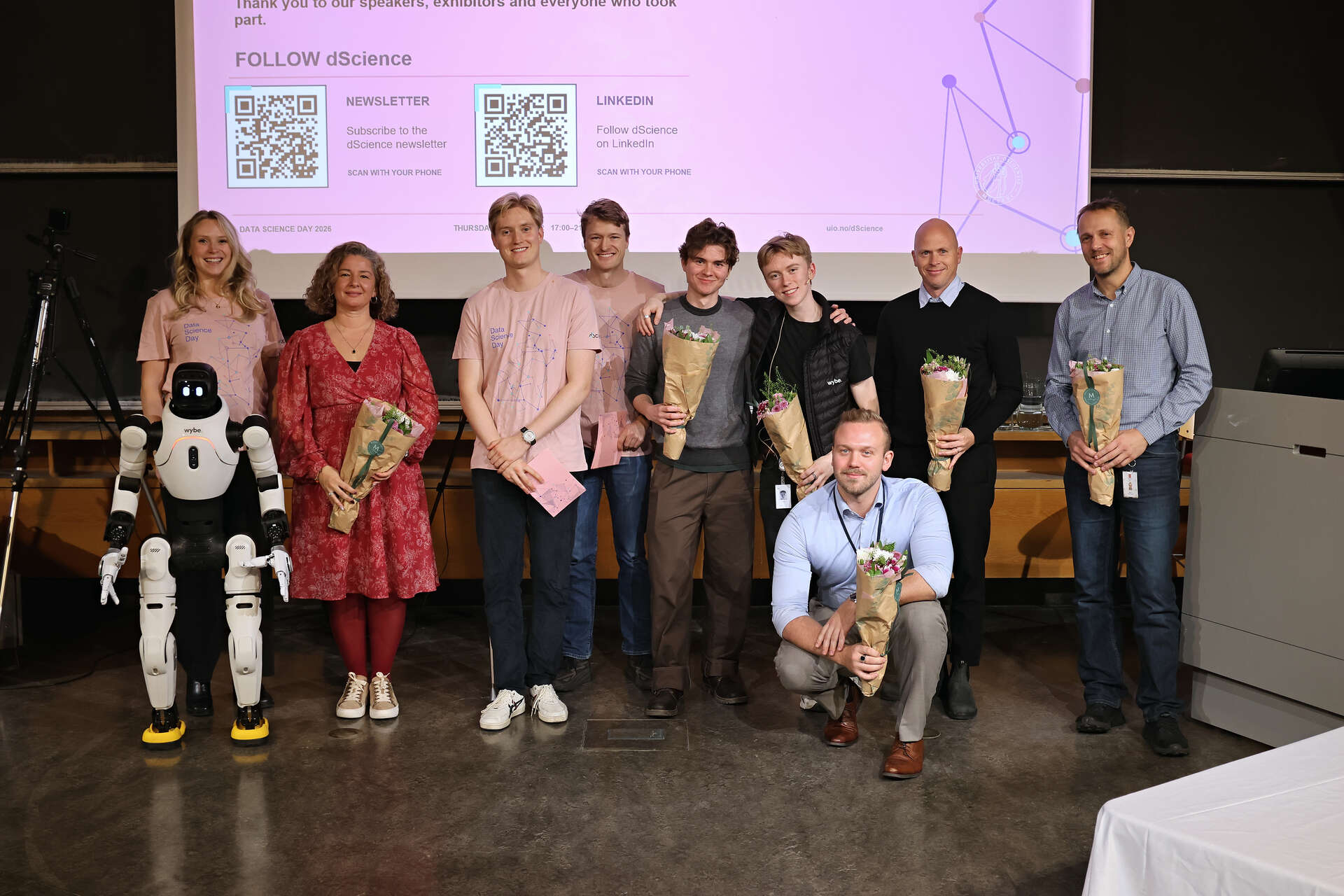
The evening continued in Sophus Lie auditorium, where speakers from Ruter, Kongsberg Discovery, Wybe Robotics and the University of Oslo presented developments in AI and robotics.
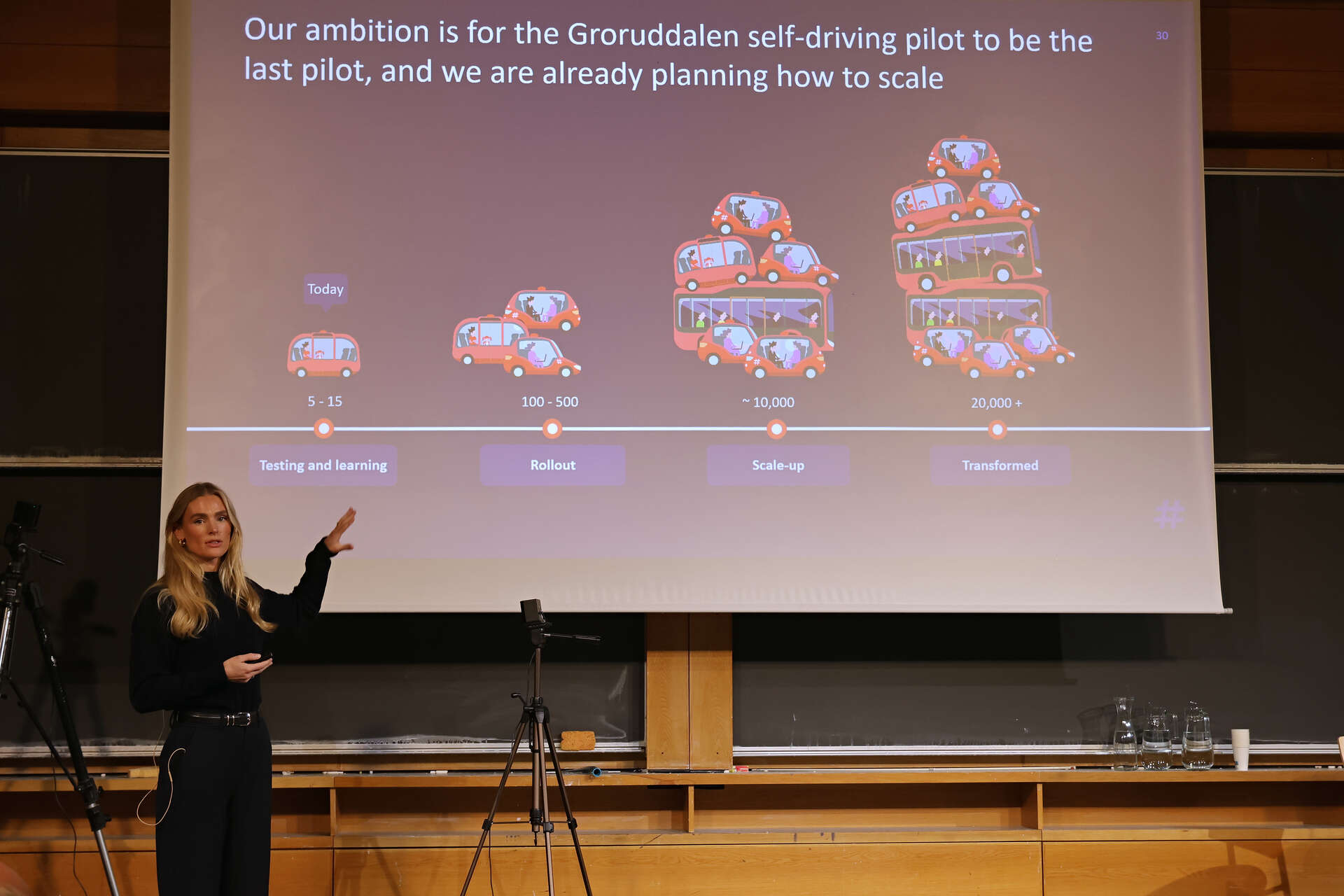
From pilot to service: Data-driven development of shared autonomous mobility in Oslo
Johanne Dølvik, project manager for Ruter’s autonomous vehicle pilot, shared how Ruter is working to turn self-driving transport from pilot projects into a regular public transport service in the Oslo region. She highlighted the ULTIMO project and the on-demand service Hent, explaining how data from passenger behaviour and vehicle performance is used to improve services and guide decisions about their future development.
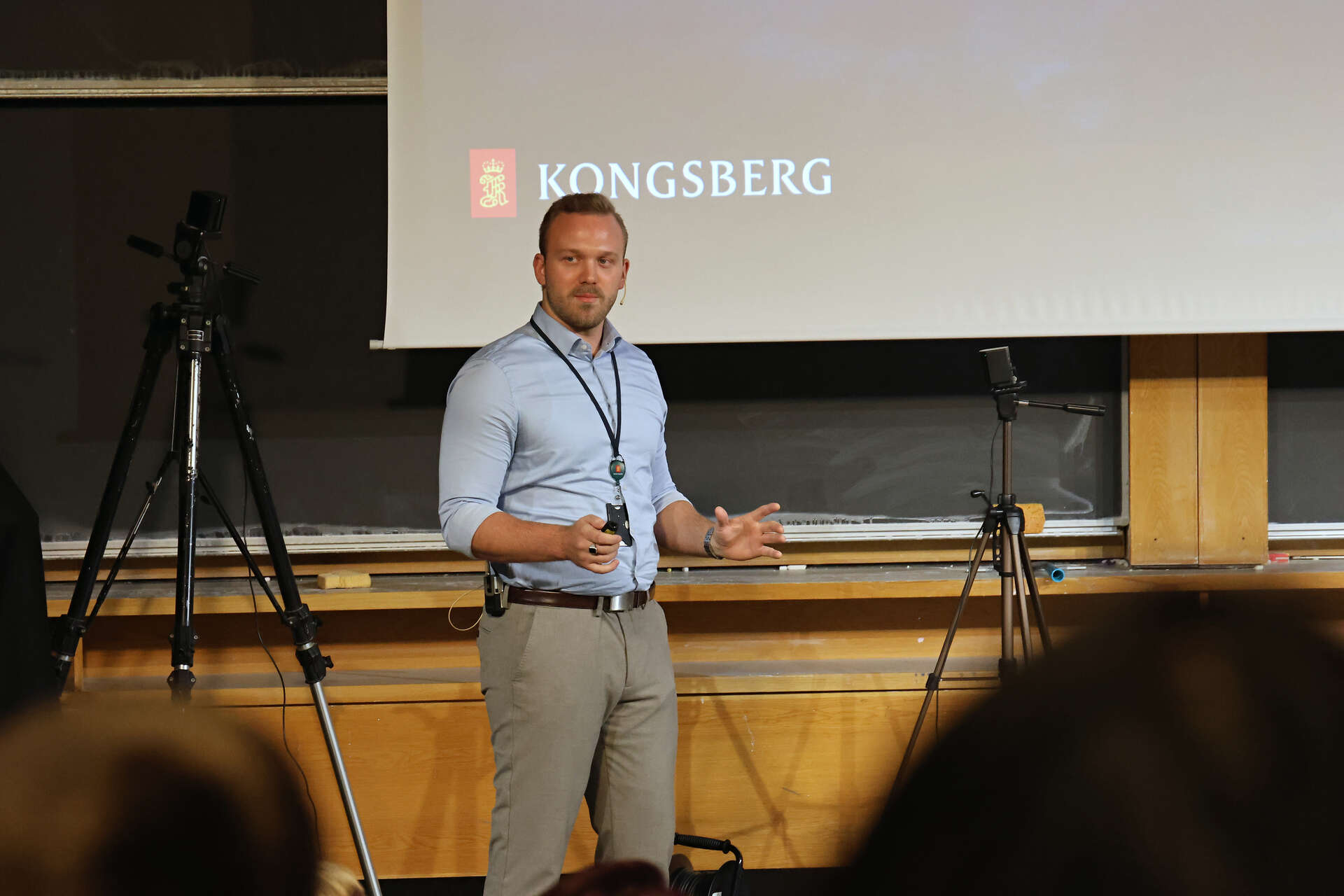
Navigating the Unknown: Autonomy and Navigation in HUGIN AUVs
Torben Falleth Olsen, Software Engineer, and Martin Skjelhaugen, Development Engineer, both at Kongsberg Discovery, introduced HUGIN, an autonomous underwater vehicle designed to navigate and map the ocean floor. They explained how HUGIN combines advanced navigation technology, high-resolution sensors and data collection to explore underwater environments and gather detailed geophysical information.
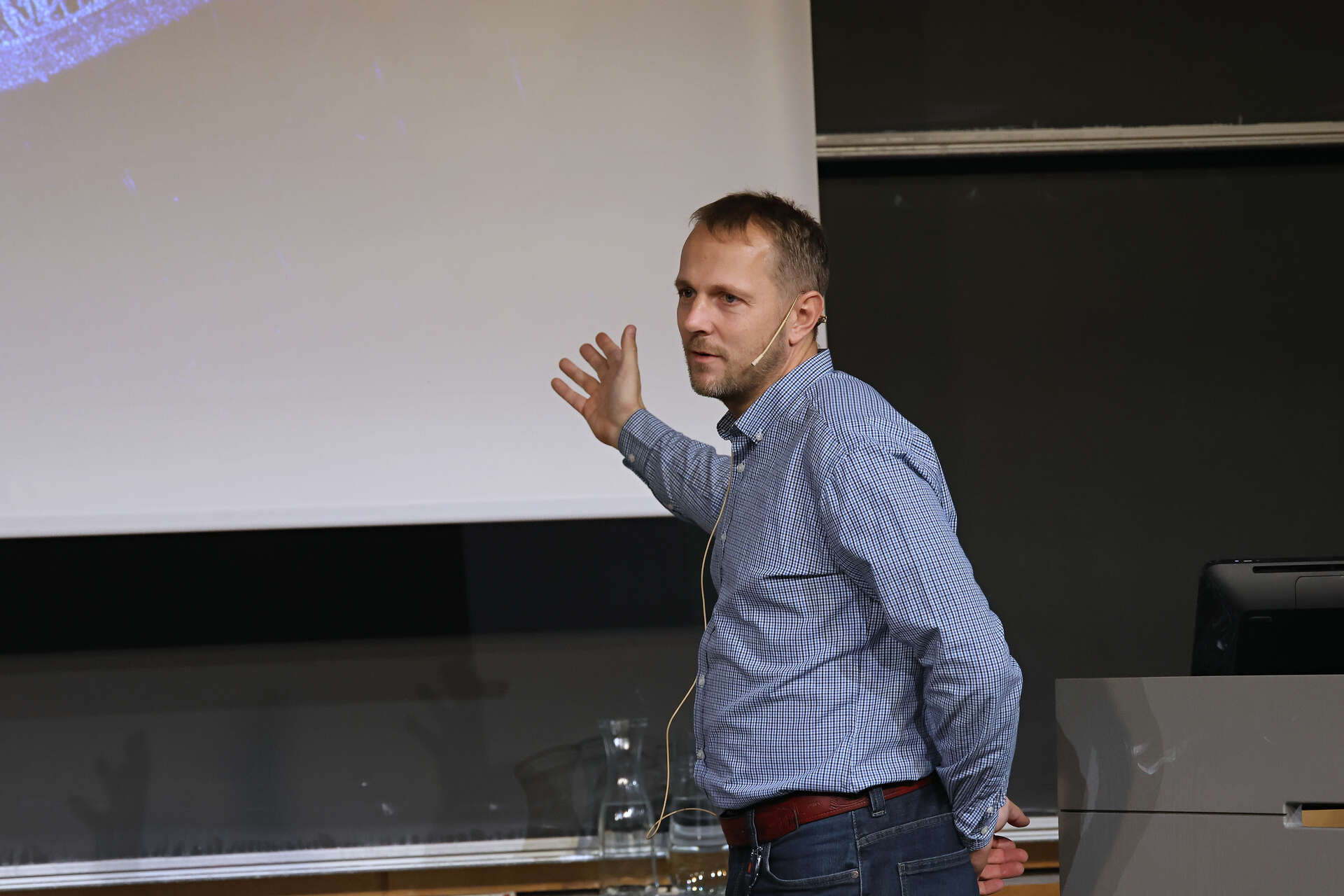
Vibration of Elastic Sheets to Facilitate Adhesion and Locomotion in Robotics
Andreas Carlson, Professor at the Department of Mathematics at the University of Oslo, presented his research on how vibrations in soft, elastic materials can help robots grip surfaces and move. He explained how motor-driven vibrations can enable robotic systems to carry significant loads and achieve controlled movement, opening up new possibilities for robotic design.
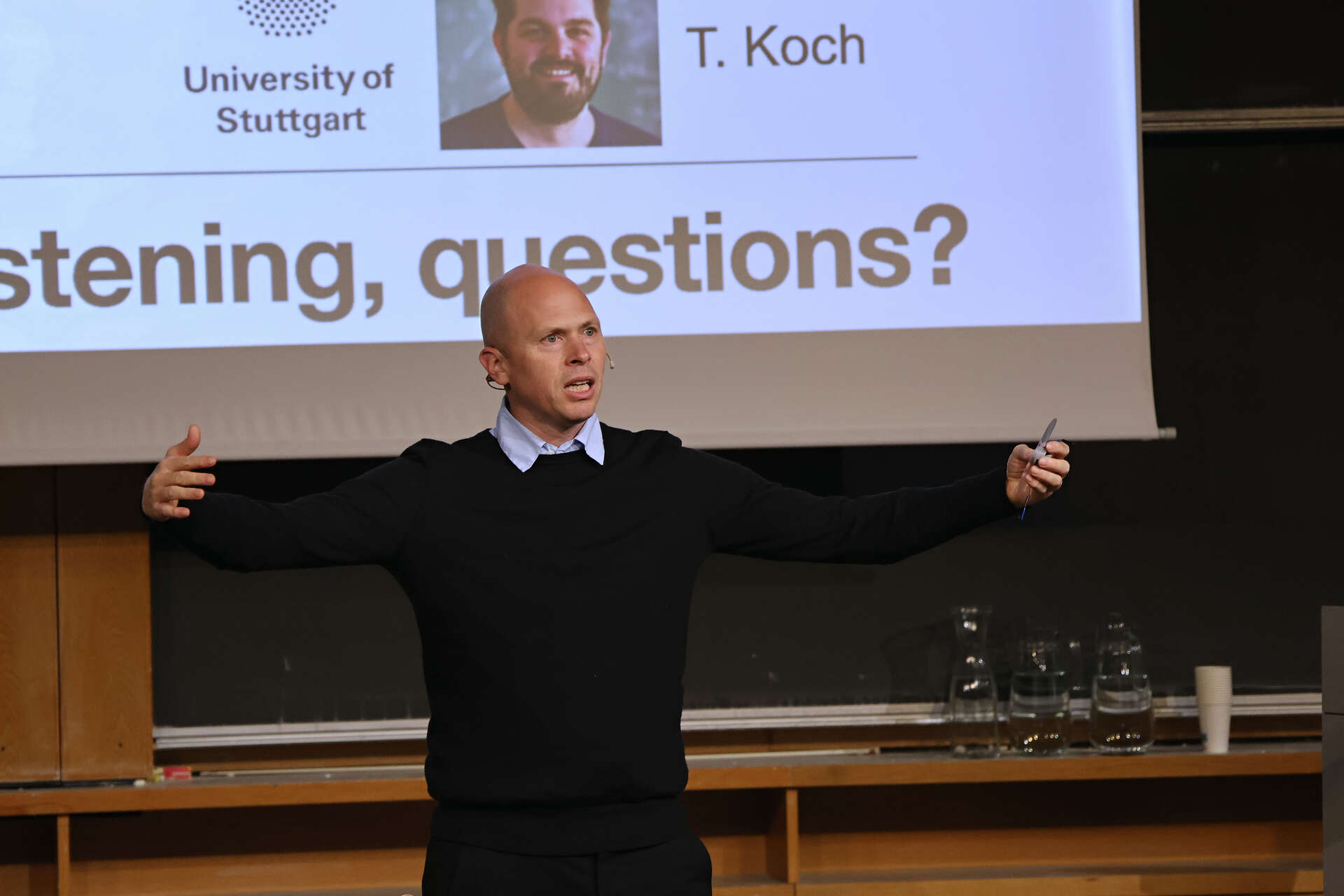
Being There Without Being There: AI-Driven Remote Robotic Presence
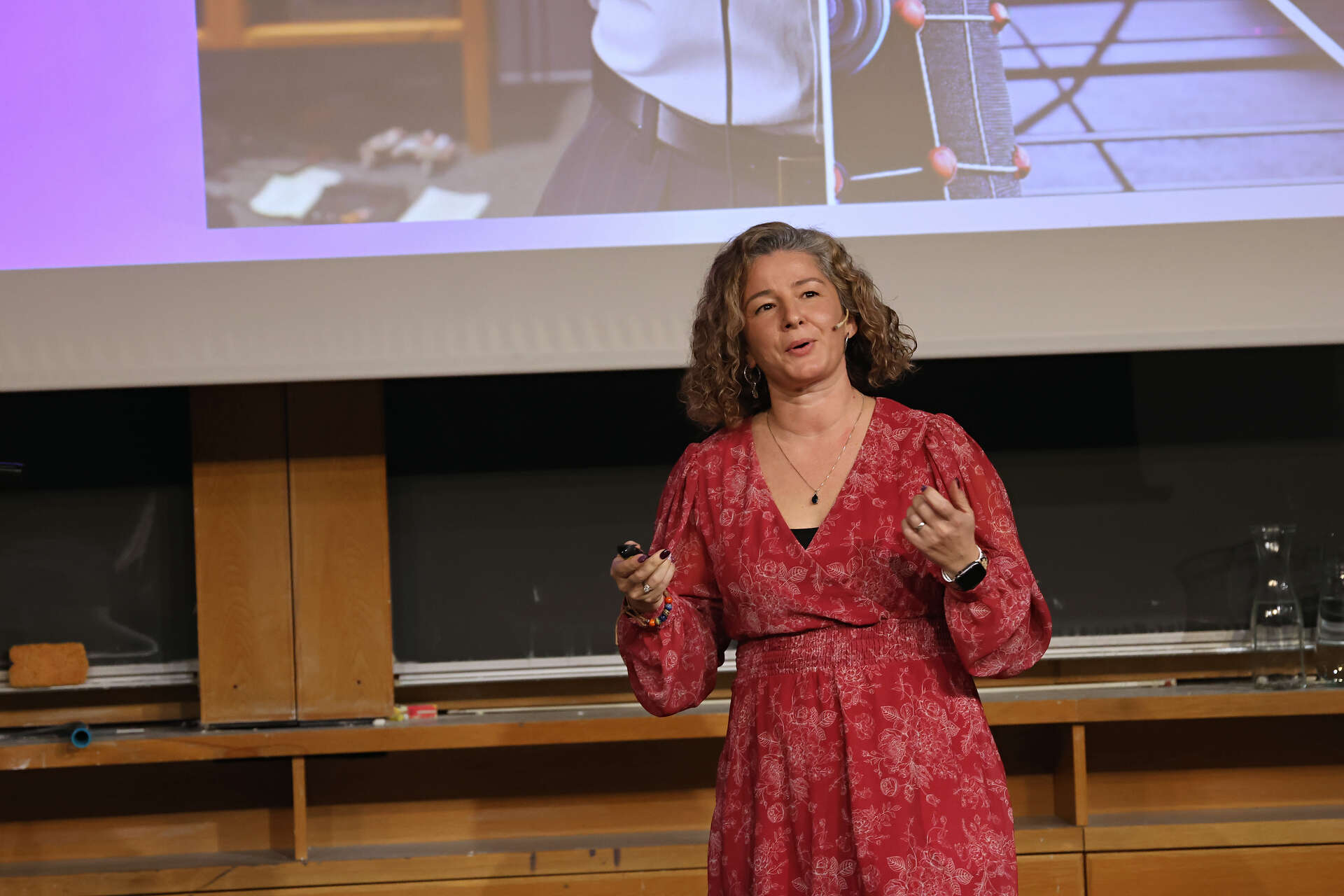
Özgü Alay-Erduran, Professor at the Department of Informatics at the University of Oslo, presented research on how AI and robotics can enable people to experience being physically present in another location. She explained how robotic systems, motion tracking and real-time sensory feedback can create a sense of presence through a remote robotic avatar, with potential applications in healthcare, education and industry.
How do robots predict the future?
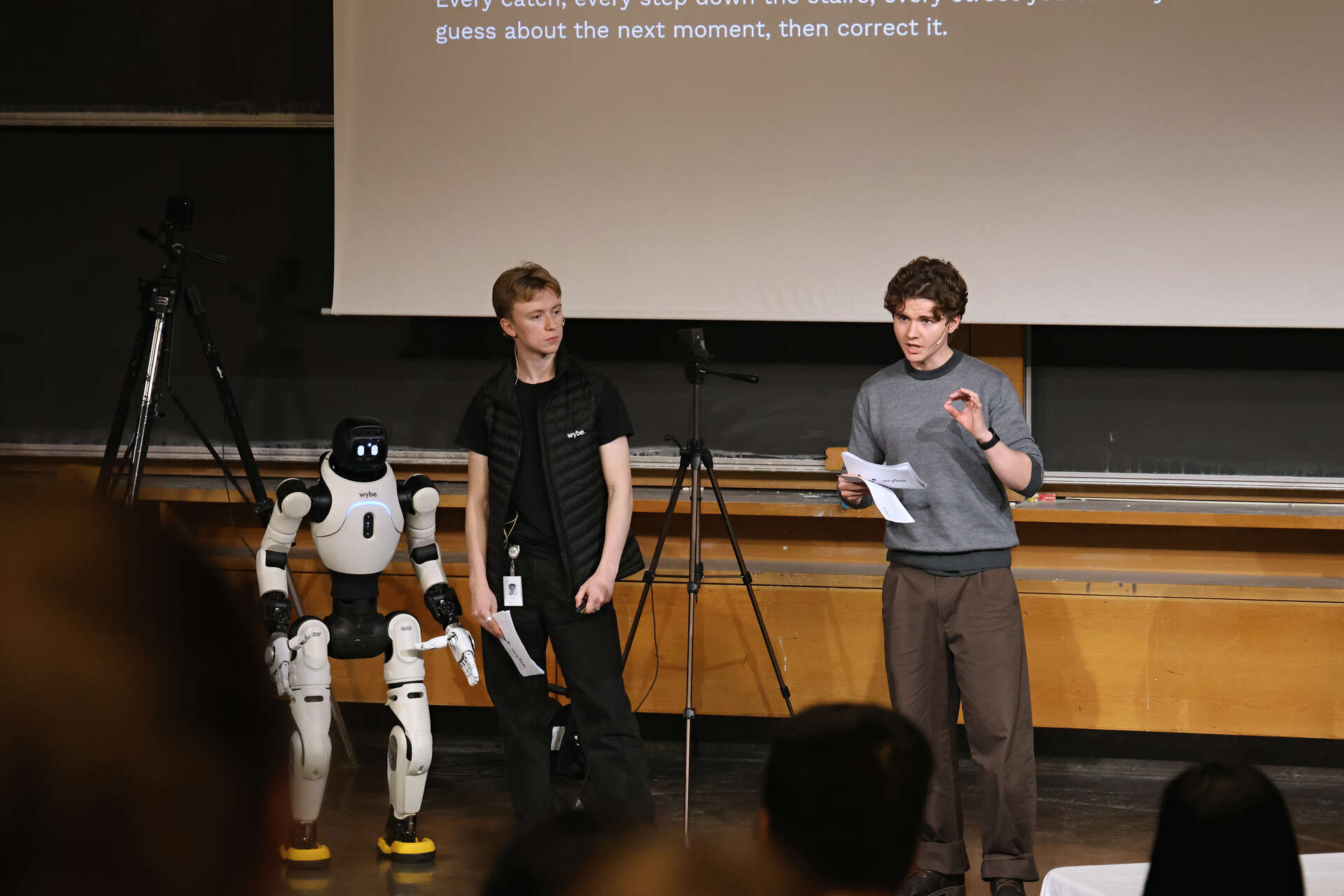
Einar Holt, Founding Engineering Lead, and Oscar Westbye, Founding AI and Systems Engineer, both at Wybe Robotics, presented how humanoid robots use AI to predict what will happen before they act. They explained how robots use world models to simulate the consequences of their actions, drawing on their work with AI models such as NVIDIA Cosmos and GR00T. They also discussed the limitations of these predictions and the challenges of trusting robots to make decisions autonomously.
Participating organisations
- Actential
- Axa Delta AS
- BCG Platinion & BCG X
- Bineric AI
- DNV
- Equinor
- Expert Analytics
- Eyer
- Monil
- Norwegian Centre for Embodied AI
- Norwegian Computing Center
- The Norwegian Mapping Authority
- Novaspire AI
- Novem
- Peers
- SINTEF Digital
- Sopra Steria
- Statistics Norway (SSB)
- Tieto
- Wybe Robotics
A special thanks to our hosts and programme committee
A special thanks to Sigurd Holmsen, August Arnstad and Camilla Lingjærde for their excellent work as hosts throughout the evening. Sigurd and August hosted the startup pitch session in the Science Library, while all three guided the audience through the presentations in Sophus Lie auditorium.
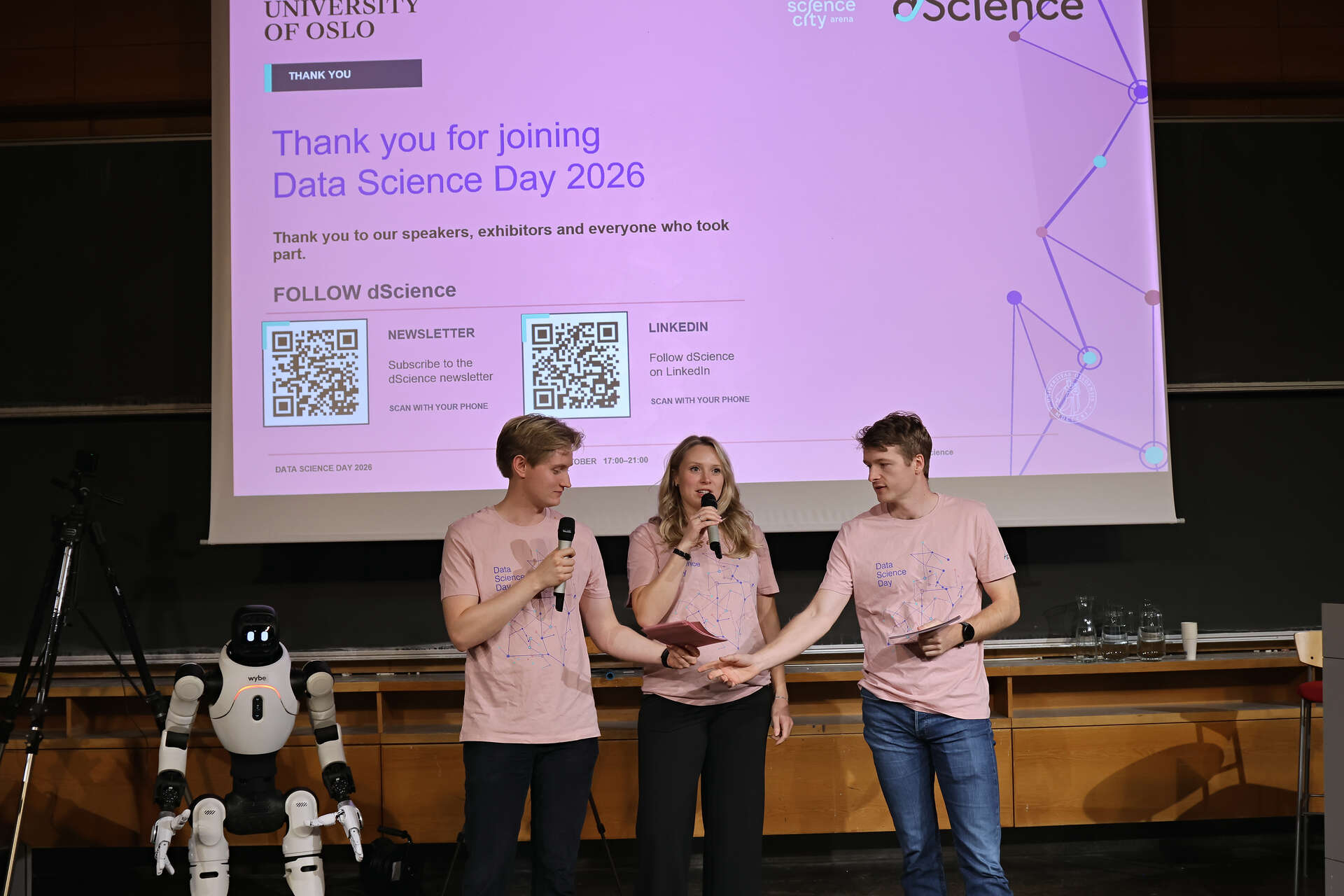
All three are affiliated with Integreat – the Norwegian Centre for Knowledge-driven Machine Learning, and Camilla is also part of the DSTrain postdoctoral programme.
We would also like to thank our programme committee for putting together an engaging programme:
- Christian Agrell, DNV
- August Arnstad, Integreat, University of Oslo
- Sigurd Holmsen, Integreat, University of Oslo
- Camilla Lingjærde, Integreat and DSTrain, University of Oslo
- Pål Orten, Kongsberg Maritime
- Ingrid Chieh Yu, Department of Informatics, University of Oslo
And finally, thank you to all our speakers, exhibitors and participants for making Data Science Day 2026 such a successful event!