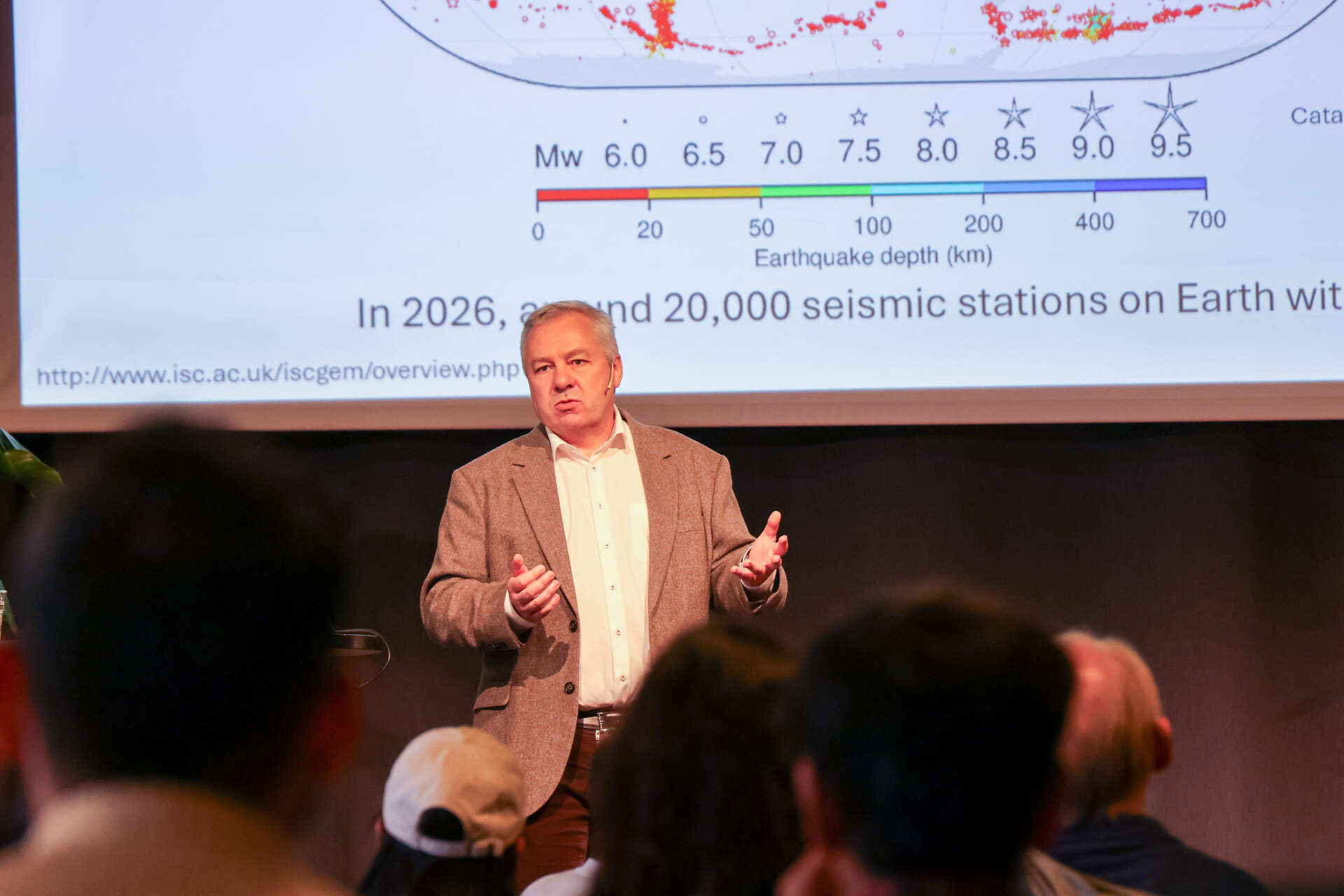
At the dScience Lunch Seminar on 10 September, Professor François Renard showed how machine learning can find meaningful signals in large datasets, including signals previously dismissed as noise.
Machine learning can, for example, detect almost ten times more small earthquakes than traditional methods. These small events can provide researchers with a clearer picture of how geological systems develop as they approach a critical state.
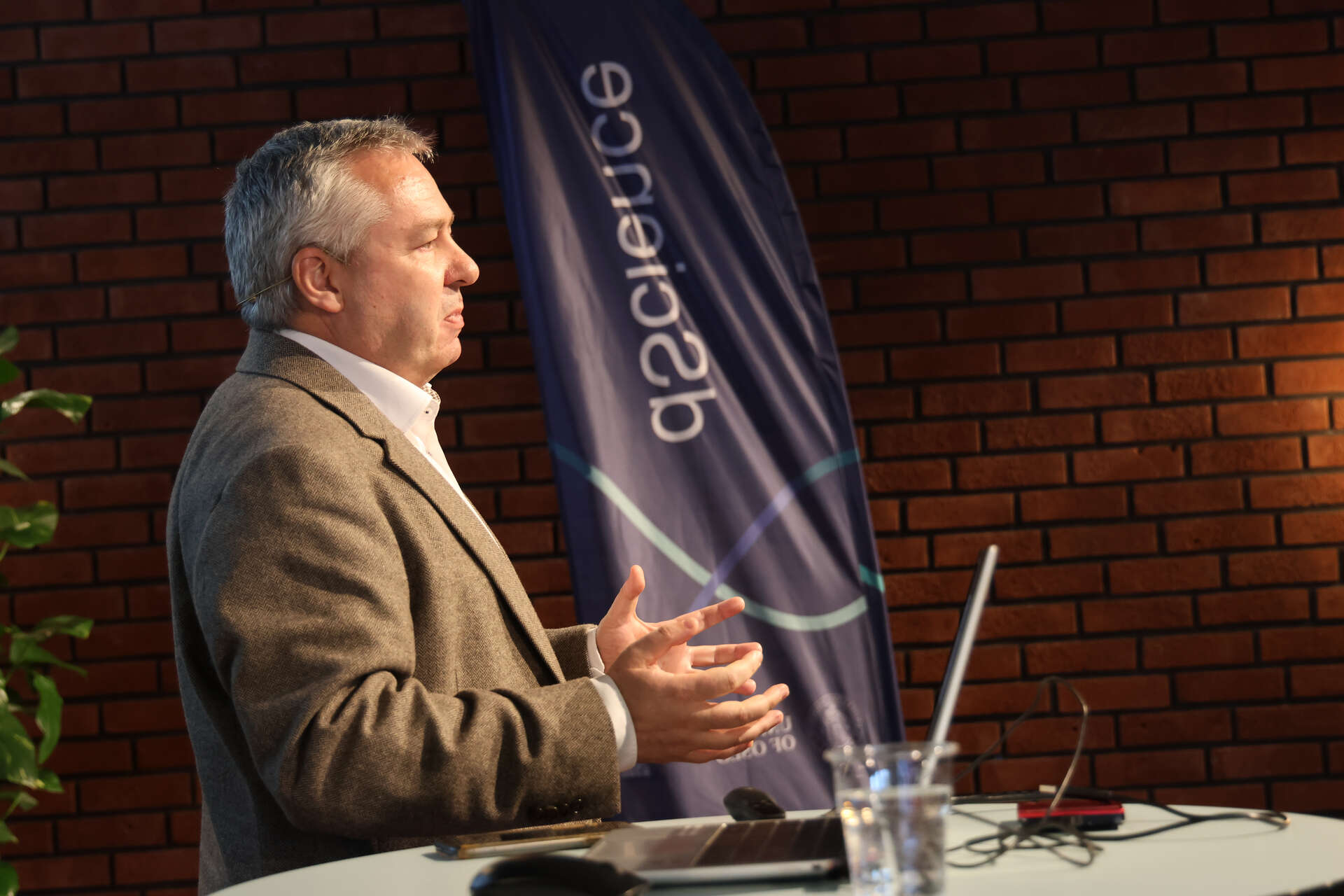
AI is also being used to study glaciers and landslides. It can help researchers estimate the probability of glacier surges and identify different types of seismic activity associated with landslides.
A key question is whether earthquakes, landslides and glacier collapses share common patterns as they approach catastrophic failure. AI cannot yet provide reliable predictions, but it can help scientists better understand these processes and potentially improve early warning.
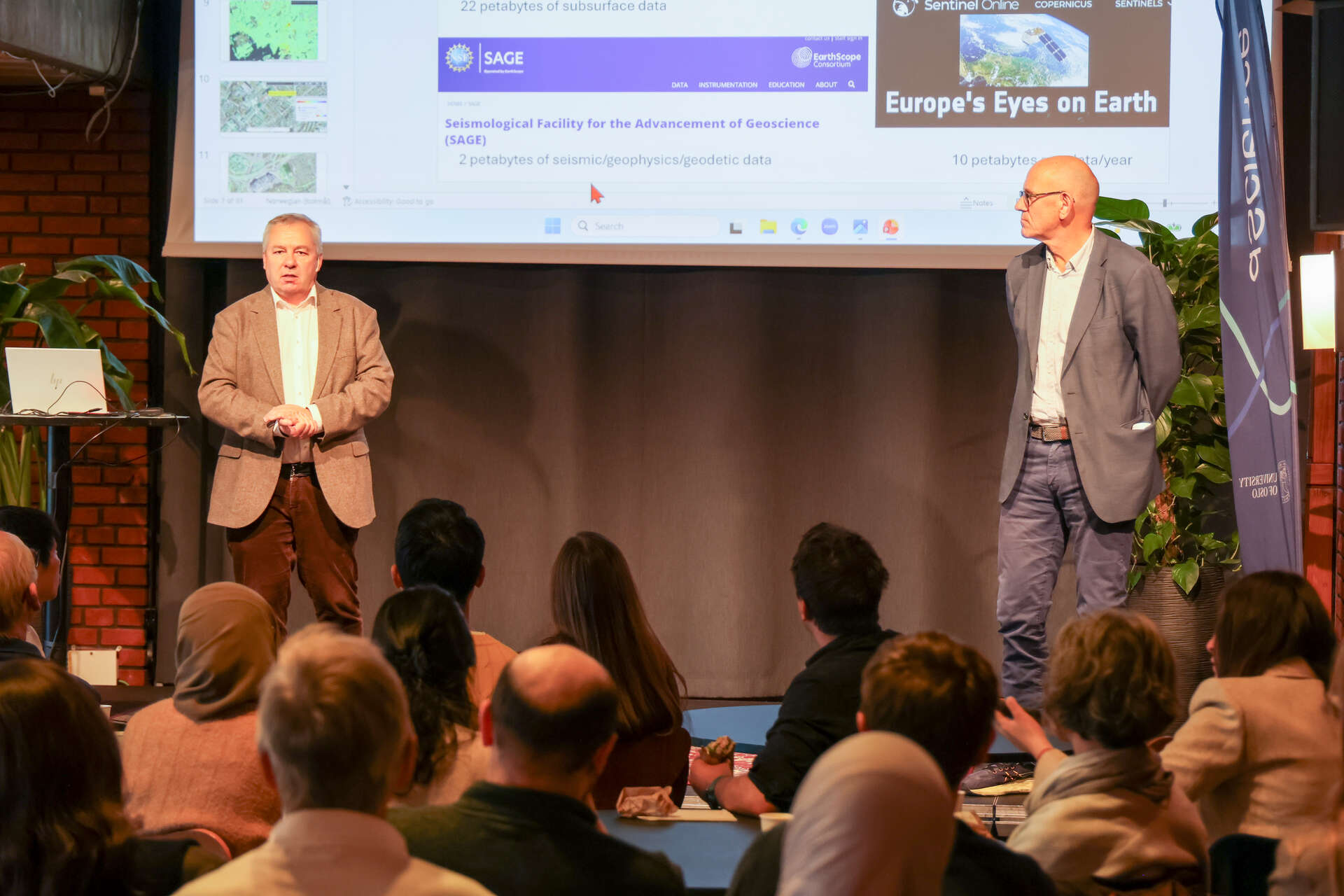
The seminar was moderated by Professor Morten Dæhlen from the Department of Informatics at the University of Oslo and TRUST — The Norwegian Centre for Trustworthy AI.
François Renard is Professor at the Department of Geosciences and Director of the Njord Centre at the University of Oslo.
Watch the full seminar in the video below.