
The seminar was hosted by Karl Aksel Festø (DNB) and moderated together with Nilla Karlsen-Davies (dScience) and Ingrid Shields (dScience). Throughout the morning, participants explored practical perspectives on implementation, governance, safety, evaluation, and operational use of language models across organisations.

From Pilots to Operational Deployment
The programme highlighted how organisations are moving beyond experimentation and into large-scale deployment of AI-supported workflows and services.
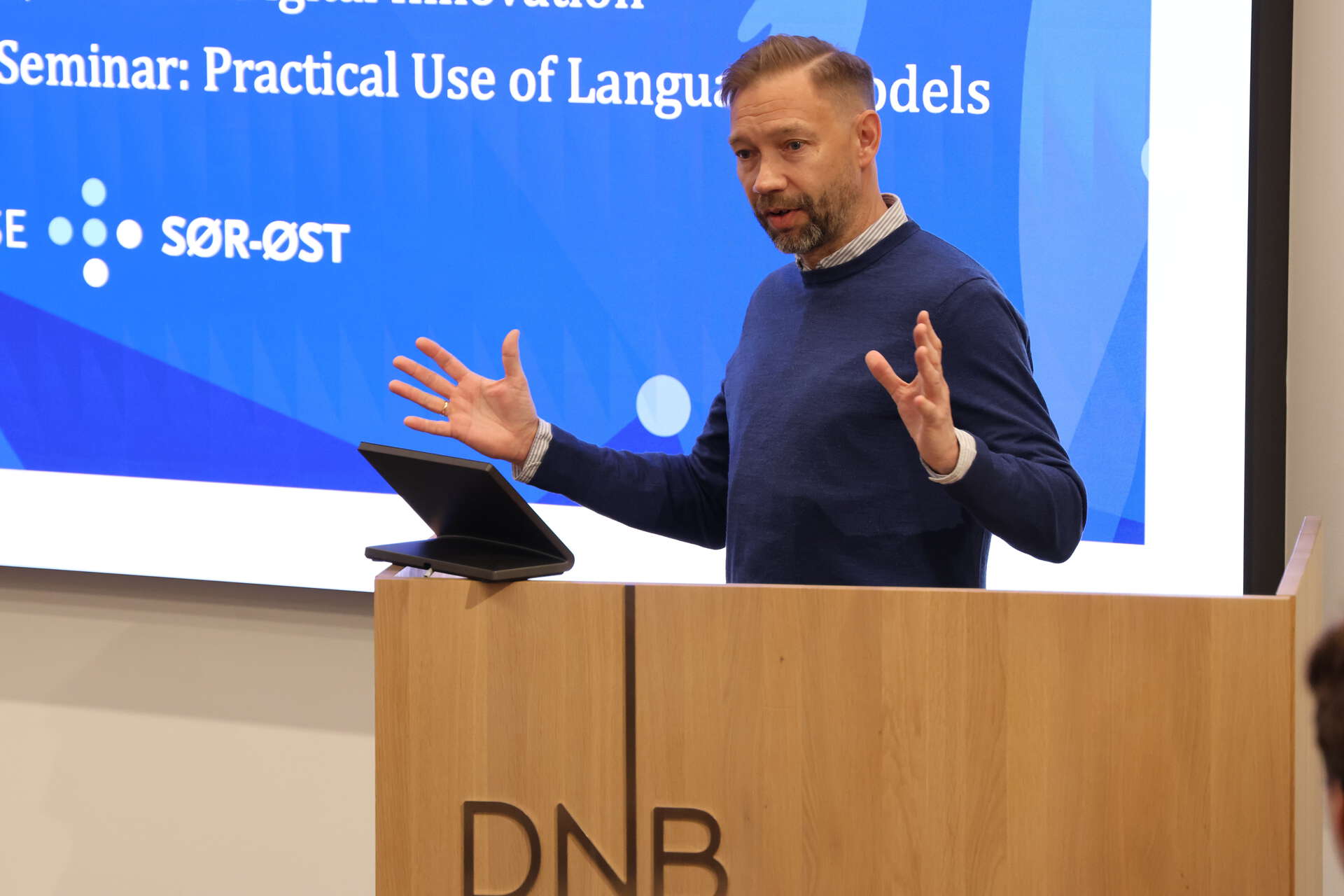
Nis Johansen presented experiences from scaling ambient scribes in Norwegian specialist healthcare.
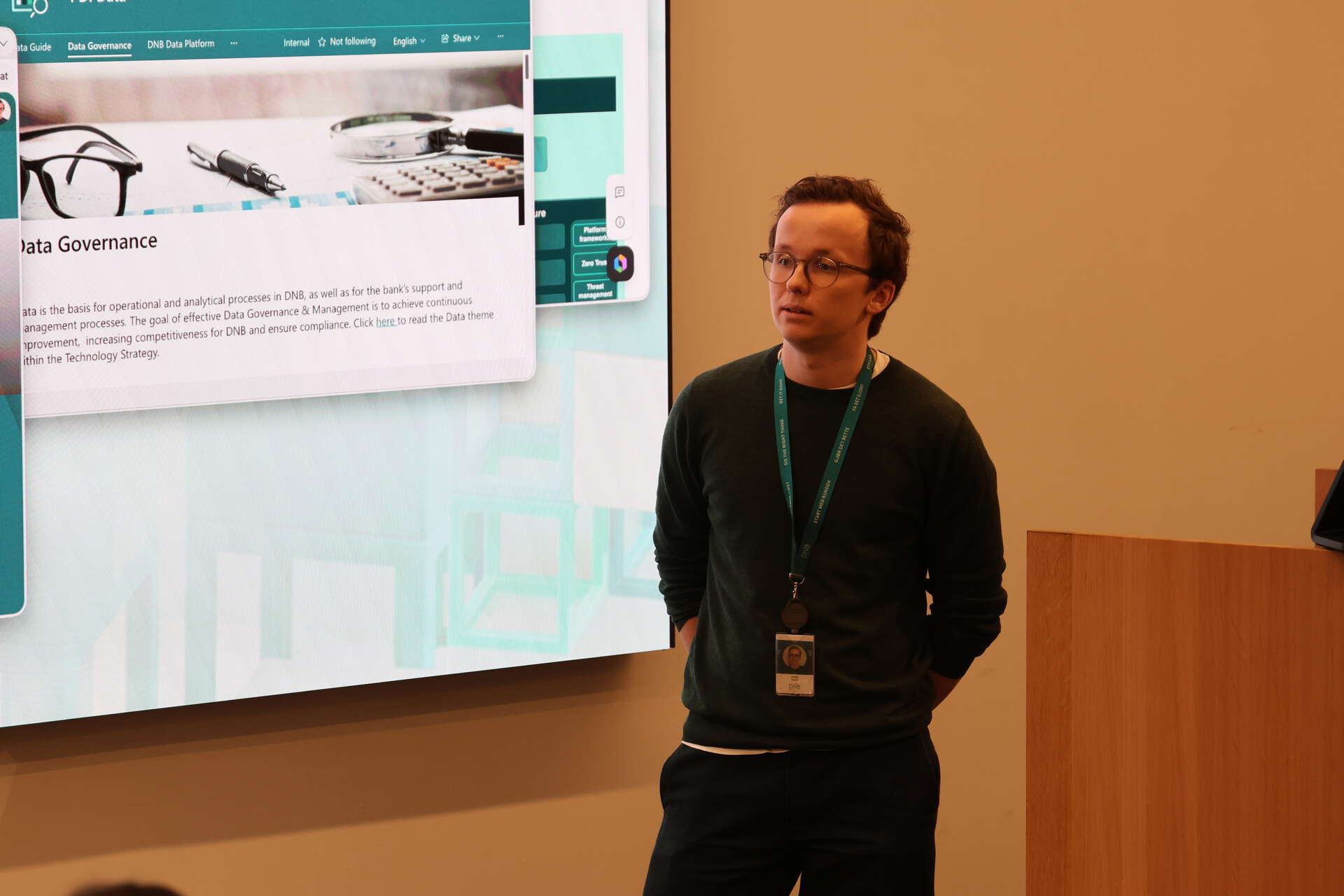
From a governance perspective, Kristian Brudeli shared practical insights through the presentation “AI Technology Guardrails – Managing Access, Risk and Governance in Practice”.

Zuzanna Zygadlo-Stenberg continued the governance discussion with practical approaches for managing LLM and AI-related risks at enterprise scale.
AI Experiences from the Public Sector
The seminar also included practical public-sector experiences with AI-supported documentation systems in healthcare settings.
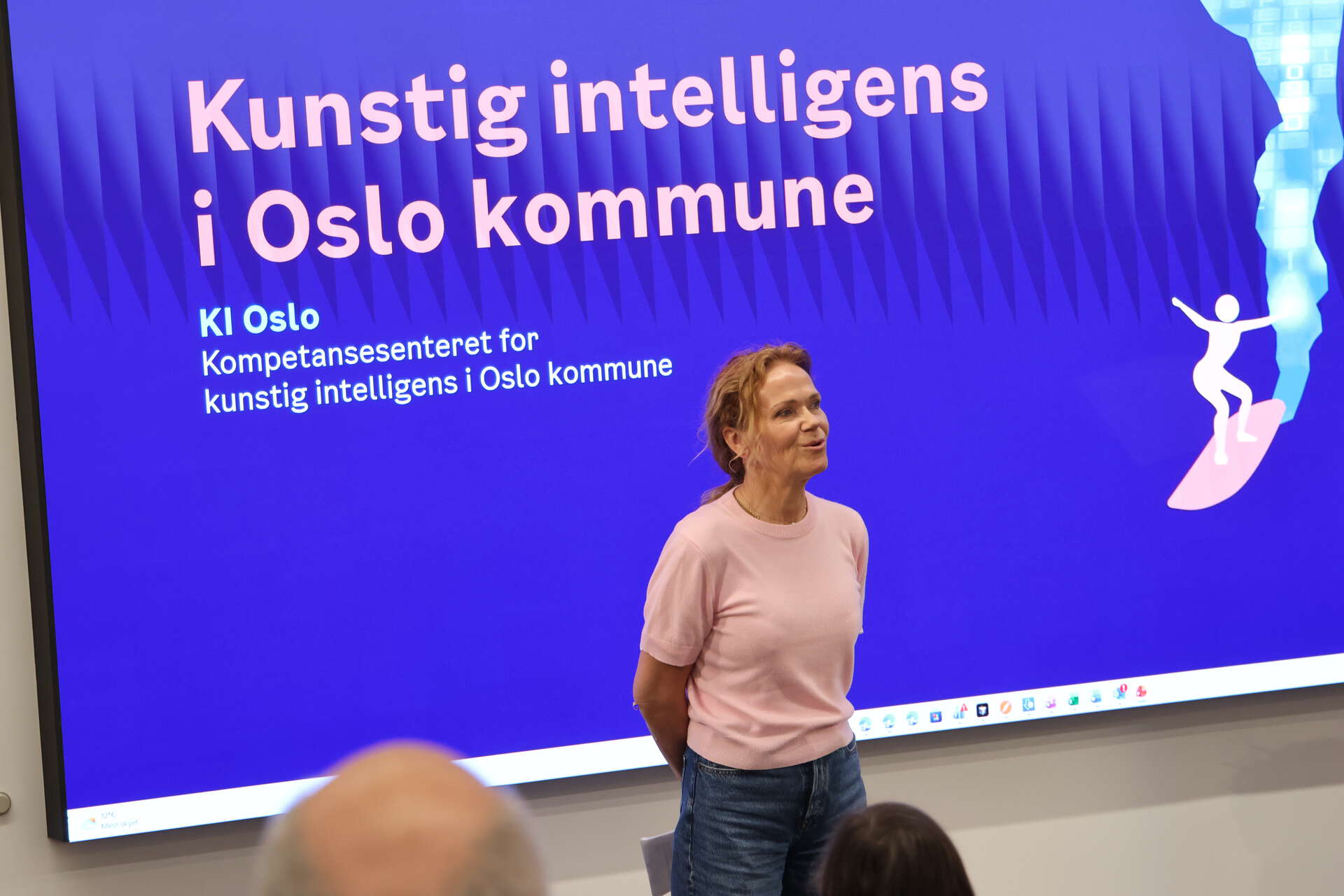
Maria Therese Sanna and Pernille Ingvaldsen Smith presented early experiences from emergency clinic pilots using ambient scribes. Their presentation covered use cases, implementation experiences, and operational considerations from initial deployments at legevakten.

Safety, Evaluation, and Norwegian Language Models
Broader perspectives on language models and AI safety were presented during the second half of the seminar.

Marie Iversdatter Røsok discussed “LLM Safety and Red Teaming”, highlighting the importance of systematic evaluation and robustness testing for generative AI systems.

Finally, David Samuel presented ongoing work on training and benchmarking Norwegian open language models, providing insights into the development of language technologies adapted to Norwegian contexts and languages.
The seminar concluded with open discussions on governance, operational workflows, safety, evaluation, and opportunities for responsible AI adoption across sectors.