Research News
-
The housing gap between young people with and without wealthy parents has nearly doubled Oct. 19, 2026
Among 30-year-olds with parents in the wealthiest fifth of the population, nearly seven out of ten own their own home. Among those with parents in the least wealthy fifth, the figure is around four out of ten. And the difference has grown.
-
How we mourn when a king dies Oct. 23, 2026
Researchers documented the mourning following King Harald V’s death at close quarters. What they found surprised them.


-
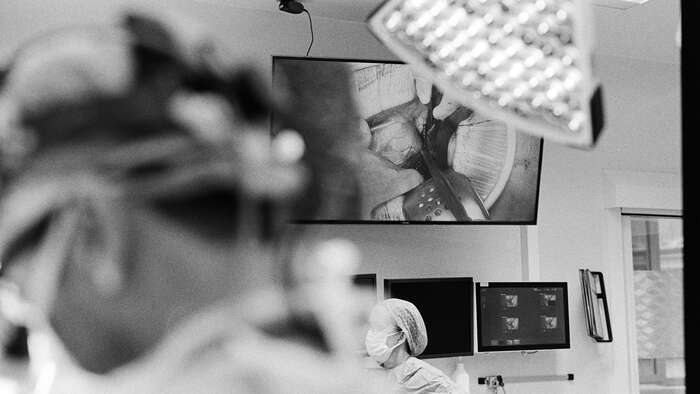
Aspirin does not prevent recurrence after treatment for colorectal cancer liver metastases Nov. 2, 2026
Previous research has raised hopes that aspirin might reduce the risk of colorectal cancer returning after treatment. However, a large Scandinavian clinical trial has found no such benefit for patients who had surgery for colorectal cancer that had spread to the liver
-
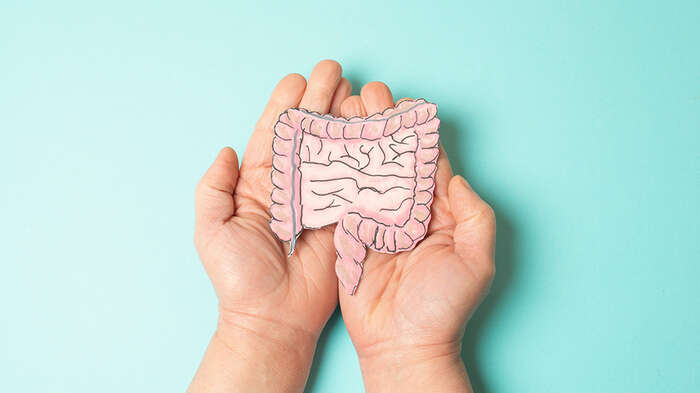
Colorectal cancer is now the leading cause of cancer death among young adults in Norway Nov. 2, 2026
Cancer deaths among young adults in Norway have fallen sharply over the past 30 years. However, one type of cancer stands apart from this otherwise encouraging trend: Colorectal cancer.
-
Why do terrorist attacks seem so predictable in hindsight? Oct. 30, 2026
After a terrorist attack, warning signs often seem obvious. But hindsight can be misleading, warns criminologist Heidi Mork Lomell.
-
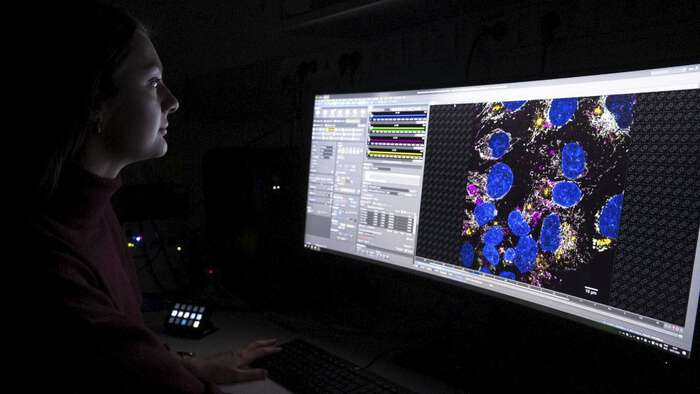
The search for new cancer treatments starts in healthy cells Oct. 29, 2026
Professor Anne Simonsen’s work on cellular recycling shows why the most important discoveries in cancer research can begin with seemingly basic questions about how our bodies work.
-
China’s recipe for growth: Market economy and communism Oct. 29, 2026
In just a few years, China has gone from producing cheap plastic toys to developing advanced electric vehicles. Its market economy is governed by a communist one-party state, and that is just one of many Chinese paradoxes.
-
This type of prison is better for prisoners’ health Oct. 8, 2026
It is also cheaper to run, criminologist says.
-
Could a simple blood test assess gut health in coeliac disease? Oct. 8, 2026
The blood tests currently used do not provide a complete picture of gut health in people with coeliac disease. Researchers have identified proteins in the blood that may offer more accurate information for monitoring patients.
-
If you want to know what is happening in the Middle East, the football stadium is the place to be Oct. 8, 2026
In the world’s most authoritarian region, football terraces have become an important arena for criticism of those in power, and for the struggle for freedom.
-
– British English is "cringe", according to Norwegian 12-year olds Sep. 29, 2026
American English has become the norm. – This affects how young people speak English and what they think about the English language, says researcher Ulrikke Rindal.
-
Wants to find out how scary AI agents can be tamed Sep. 29, 2026
A large number of hard-working new agents are entering working life and society in the coming years. They are happy to help us map the incidence of diseases, but they might also decide to hire a hitman.
-
“Literature is much more than what is on your bookshelf” Sep. 24, 2026
When we ask who reads, we should not only ask who reads novels. If we broaden our definition of literature, we are talking about a rather large audience, says a literary scholar.
-
Back home in the U.S., he could find A without any problem Sep. 18, 2026
But when the music professor moved to Norway, he could no longer rely on his sense of pitch. The explanation may lie in sounds that most of us barely notice.
-
Real feelings for social intelligence Sep. 14, 2026
More and more people share traumas, fantasies, and everyday moments with social AI models – and experience the relationship as real.
-
Why do some salivary glands fail? Researchers point to hidden cell stress Sep. 10, 2026
For cancer patients undergoing head and neck radiation therapy, people living with Sjögren’s syndrome, diabetic individuals, or elderly people, a reduced amount of saliva and the consequent dry mouth are far more than uncomfortable. It can have major consequences for quality of life, making it difficult to eat, speak, and swallow, altering taste perception, and increasing the risk of dental cavities and oral infections.
-
Research unlocks new ways of searching video and music archives Sep. 10, 2026
She trains AI models to answer far more complex questions than before. “It’s completely new, and it could open many doors,” music professor says.