This year's programme focused on the ongoing energy transition and the green industrial transition. Throughout the week, participants attended lectures from leading researchers and industry experts, visited industrial sites to gain insight into cutting-edge technologies, and engaged in discussions with top scholars and fellow PhD candidates from a wide range of disciplines. The programme also emphasized collaborative learning, interdisciplinary group work, and networking across academic and professional backgrounds.
As part of the programme, Martine Nyheim, Pedagogical Advisor at INTED, facilitated a workshop on interdisciplinary dialogue and group collaboration.
The workshop began with the activity "The Four Corners." Participants were presented with a series of statements related to sustainability transitions, interdisciplinary work, and collaboration. They positioned themselves in one of four corners of the room according to whether they agreed, disagreed, were undecided, or were unsure. The exercise generated strong engagement and encouraged participants to share reflections on their own perspectives and experiences, while also listening to the views of others. This activity showcased the differences in perspectives.
The workshop explored common challenges in interdisciplinary collaboration before introducing the value of dialogue as distinct from debate. Rather than focusing on convincing others, participants were encouraged to approach differences with curiosity and openness. The exercise of Object Orientation were introduced. Participants were presented with an image of a wind turbine and to work individually by reflecting on how they understood it and why it was interesting from the perspective of their own discipline. The exercise was designed to highlight how different disciplinary backgrounds shape the way we observe and interpret the world.
Following the exercise, participants were divided into interdisciplinary groups representing different academic backgrounds. Participants were subsequently introduced to Utrecht University's framework for interdisciplinary collaboration, inspired by the work of Spelt et al. (2009) and Repko's interdisciplinary process model. Using this framework, the groups moved through a series of stages designed to support interdisciplinary integration.
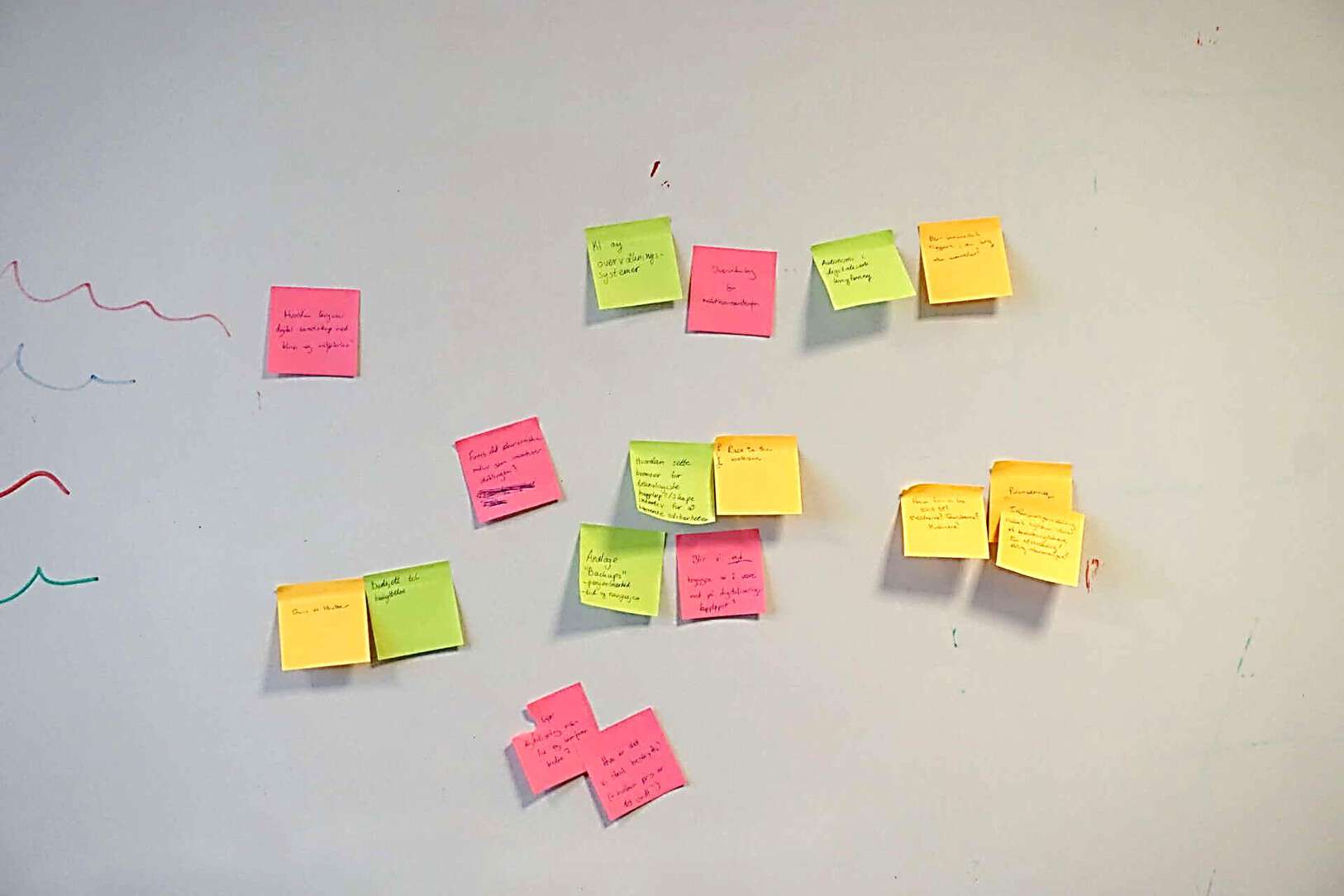
The first stage focused on perspective-taking, where participants shared their individual observations and disciplinary interpretations of the object. In the next stage, finding common ground, the groups identified overlaps, similarities, and differences between their perspectives. Finally, the participants worked towards integrating their insights by developing a shared and interdisciplinary research question.
The workshop provided participants with practical experience in interdisciplinary dialogue and collaboration, while demonstrating how structured methods can help bridge disciplinary differences and support the co-creation of new knowledge.