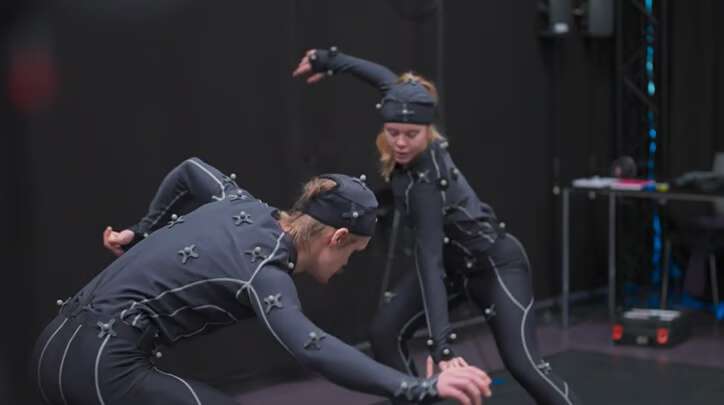
This study investigates how telematic technologies shape embodied interaction, improvisation, and creative decision-making in contemporary dance improvisation. Focusing on two contemporary dancers' creation process, the study examines how dancers negotiate coordination, attention, synchronization, and co-presence when performing through audiovisual streaming systems rather than within a shared physical space.
Improvisation in dance relies heavily on sensory-motor coupling, multimodal perception, and embodied attunement between performers. In co-located settings, dancers continuously respond to subtle bodily cues such as breath, weight shifts, gaze. In telematic environments, however, these interactional dynamics are mediated through technological systems that introduce latency, altered spatial perception, limited peripheral vision, and reduced access to multimodal bodily information. The project explores how such technological affordances and limitations transform the structure of improvisational interaction.
The study addresses the following research questions:
- How do dancers adapt their communication and coordination strategies under latency and multimodal constraints in telematic environments compared to co-located conditions?
- How do telematic technologies with different affordances mediate sensory-motor coupling during dance improvisation?
To investigate these questions, two contemporary dancers participated in an exploratory multimodal study comparing three improvisational conditions:
- Co-located improvisation: both dancers performed within the same physical studio space.
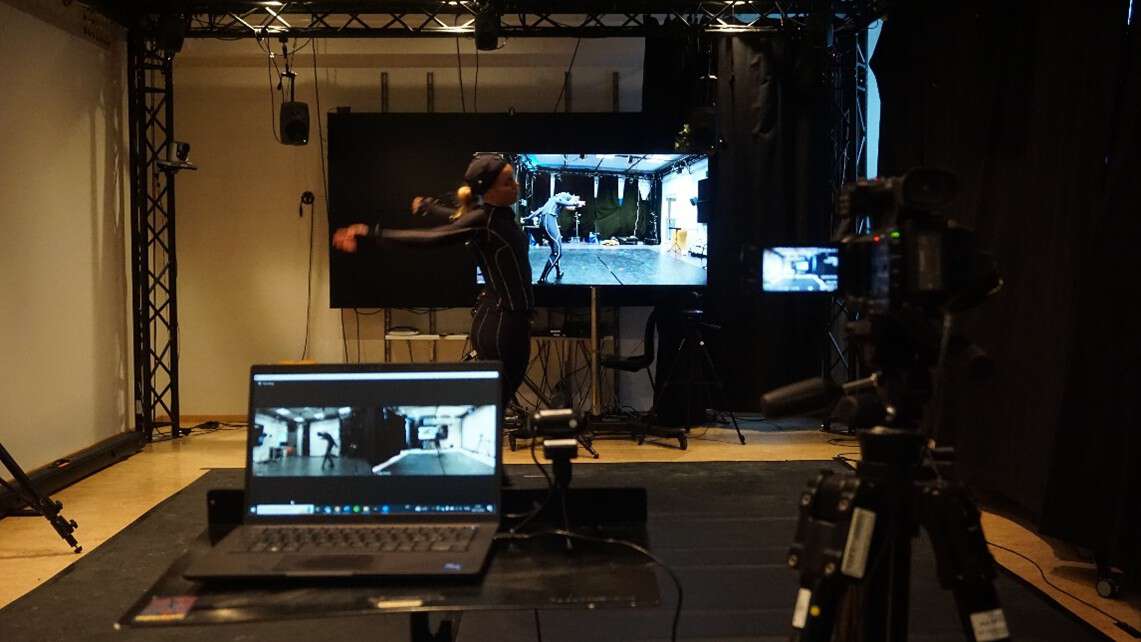
- Zoom-mediated improvisation: dancers performed remotely from two different laboratory environments connected through the Zoom video conferencing platform.
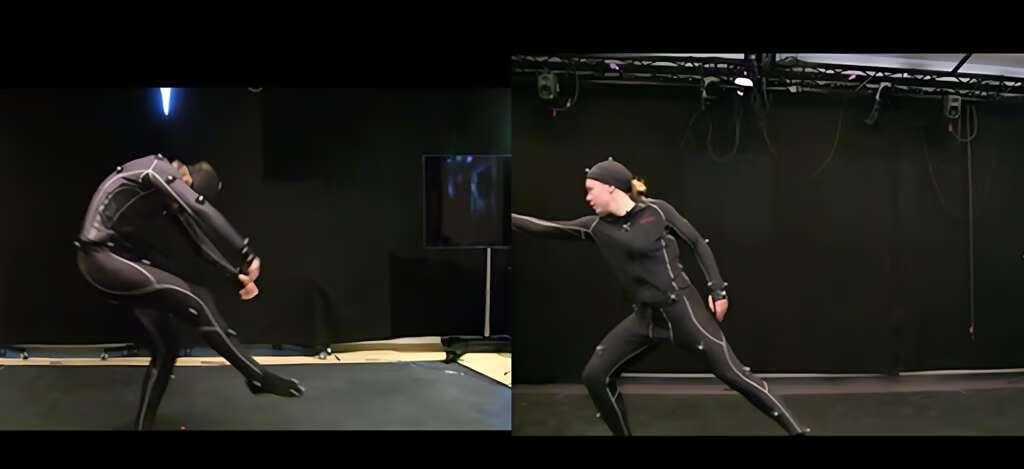
- LoLa-mediated improvisation: dancers performed remotely through LoLa, a low-latency audiovisual streaming system designed for real-time performance interaction.
Across all three conditions, the dancers were asked to create a 10-minute improvisation-based choreography within a one-hour session. This experimental design allowed the study to compare how different technological environments shaped interaction dynamics, movement strategies, and creative processes under otherwise comparable conditions.
Each session followed the same structure:
- Warm-up (up to 15 minutes)
- Rehearsal and collaborative creation process (up to 1 hour)
- Performance execution (up to 15 minutes)
Following each phase of the session (warm-up, rehearsal, and performance), the dancers were asked to write short reflection notes documenting their experiences, challenges, and observations. In addition, semi-structured interviews were conducted individually with each dancer after every experimental condition.
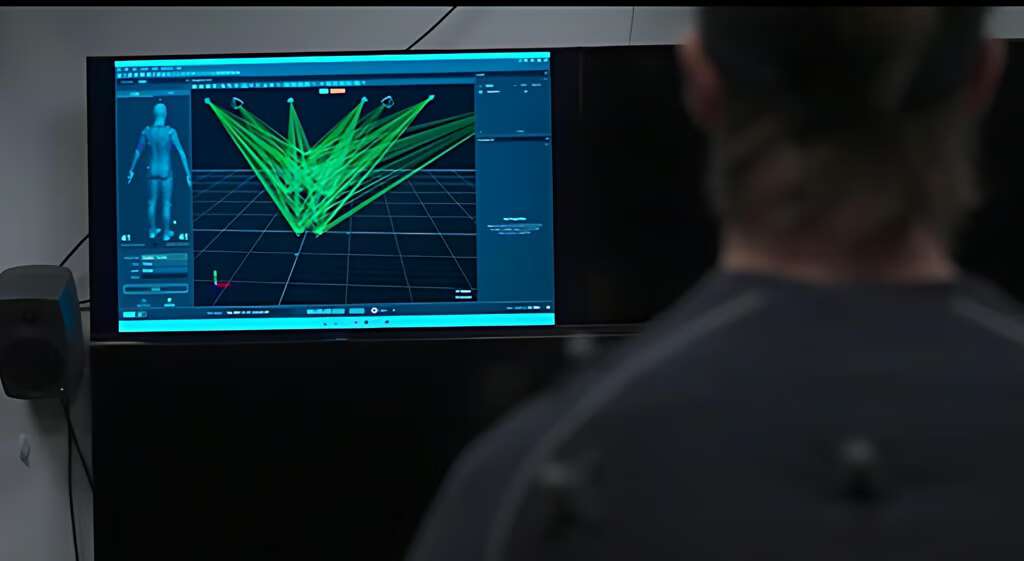
The experiments were conducted in matched studio environments at the University of Oslo, specifically the IMV Portal Lab and the RITMO Motion Capture Lab, ensuring technical and spatial symmetry between remote locations. The study employed a semi-structured ecological design, combining qualitative and quantitative methods to investigate both measurable coordination patterns and subjective embodied experience.
This is an ongoing study, and detailed analyses of motion capture, physiological coordination, movement patterns, and interview material are currently in progress. Several academic publications emerging from this project are currently in preparation.
- Serdar, B., Upham, F., Burnim, K., von Arnim, H. A., & Jensenius, A. R. Exploring the Difference Between Remote and Co-Located Dance Improvisation Through Multi-Modal Data Collection. In Sound, Movement, and the Sciences (SoMoS) 2024 Proceedings (in press).
- Upham, F., Serdar, B., & Jensenius, A. R. Laughter in the Making: Social Bonding and Coordination in Dance Practices. Frontiers in Psychology (in press).