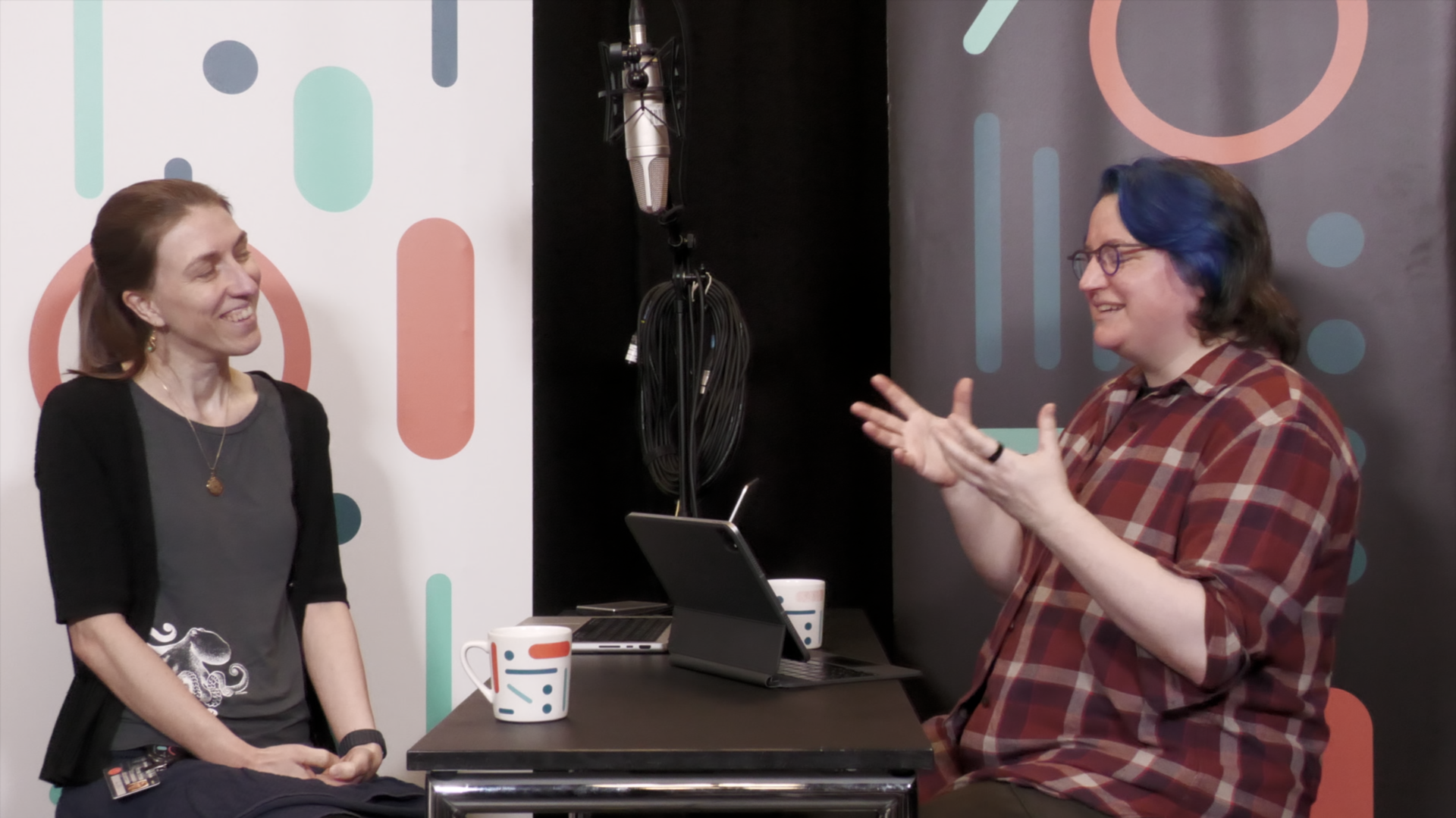
Interview with Laura Bishop, a researcher studying on musical togetherness and ensemble coordination in classical chamber music and beyond. [interview date 2026-06-19]
- [0:39] Background
- [1:56] Research
- [4:04] Research Methodology
- [7:18] Musical Togetherness
- [11:57] Expectations
- [13:38] String Quartets
- [15:22] Stress Test
- [19:22] Synchronicity
- [21:25] Musical Leadership
- [25:54] Cooperation with AI Agents
- [27:15] The Robot Arm
- [31:38] Research Trajectory
- [33:12] Message for the Public
Related papers
- Bishop L. (2024). Togetherness in musical interaction. Routledge Open Res, 3:16 (https://doi.org/10.12688/routledgeopenres.18202.2)
- Bishop, L., Niemand, A., D’Amario, S., & Goebl, W. (2026). Moving together, feeling together: Body coordination, pupil size, and musical togetherness in classical duo performance. Psychology of Music.https://doi.org/10.1177/03057356261436796
- Bishop, L., Høffding, S., Lartillot, O., & Laeng, B. (2023). Mental Effort and Expressive Interaction in Expert and Student String Quartet Performance. Music & Science, 6.https://doi.org/10.1177/20592043231208000
- Bishop, L. (2025). Focus of attention affects togetherness experiences and body interactivity in piano duos.Psychology of Aesthetics, Creativity, and the Arts, 19(4), 560–575. https://doi.org/10.1037/aca0000555