Published
Sep. 18, 2026 5:07 PM
But when the music professor moved to Norway, he could no longer rely on his sense of pitch. The explanation may lie in sounds that most of us barely notice.
But when the music professor moved to Norway, he could no longer rely on his sense of pitch. The explanation may lie in sounds that most of us barely notice.
She trains AI models to answer far more complex questions than before. “It’s completely new, and it could open many doors,” music professor says.
A sense of rhythm is invaluable to your brain—whether you can dance in time or not.
Bálint Laczkó has developed the software tool Pixasonics, which turns images into sound. It may be a small step on the way towards new treatments for diseases such as cancer and Parkinson’s.
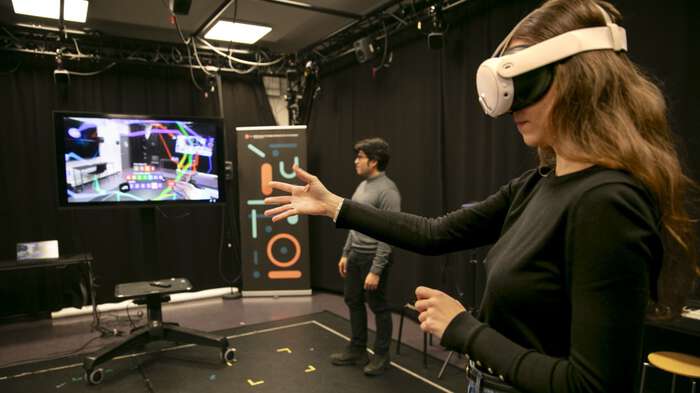
Psychology student Skage Christensen Ekelund is well underway with his summer project. He is one of 50 students who receive a scholarship from UiO:Life Science to take part in a research project for six weeks this summer. We have been invited into the Socio-Cognitive laboratory in the Henrik Wergeland building at Blindern to gain insight into the tasks he will be doing.
New research is turning to the animal kingdom for inspiration while experimenting with new ways of making music using AI.
“I didn’t realize how tense I was until the birds started, and then I immediately relaxed.” This was how one study participant described his experience when birdsong filled his workplace.
Humans are remarkably well equipped to meet the unknown – and not just because of our brains, new research suggests.
Each time you have an experience that defies your expectations, your brain becomes slightly more fine-tuned.