Published
Sep. 18, 2026 5:07 PM
But when the music professor moved to Norway, he could no longer rely on his sense of pitch. The explanation may lie in sounds that most of us barely notice.
But when the music professor moved to Norway, he could no longer rely on his sense of pitch. The explanation may lie in sounds that most of us barely notice.
She trains AI models to answer far more complex questions than before. “It’s completely new, and it could open many doors,” music professor says.
A sense of rhythm is invaluable to your brain—whether you can dance in time or not.
Bálint Laczkó has developed the software tool Pixasonics, which turns images into sound. It may be a small step on the way towards new treatments for diseases such as cancer and Parkinson’s.
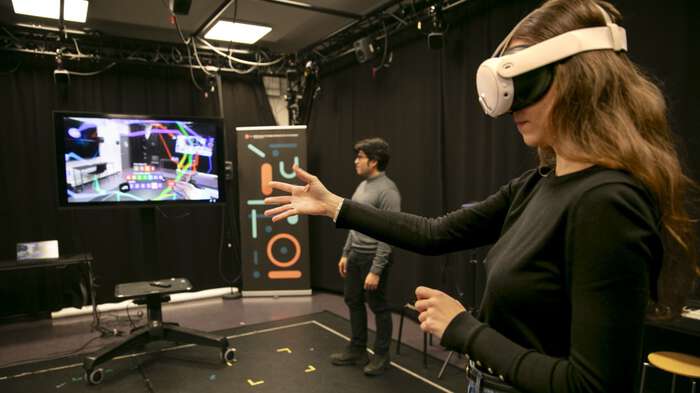
Psychology student Skage Christensen Ekelund is well underway with his summer project. He is one of 50 students who receive a scholarship from UiO:Life Science to take part in a research project for six weeks this summer. We have been invited into the Socio-Cognitive laboratory in the Henrik Wergeland building at Blindern to gain insight into the tasks he will be doing.
New research is turning to the animal kingdom for inspiration while experimenting with new ways of making music using AI.
“I didn’t realize how tense I was until the birds started, and then I immediately relaxed.” This was how one study participant described his experience when birdsong filled his workplace.
Humans are remarkably well equipped to meet the unknown – and not just because of our brains, new research suggests.
Guilherme Schmidt Câmara has received NOK 10 million to investigate why certain combinations of rhythms are experienced as physically and socially unifying.
Each time you have an experience that defies your expectations, your brain becomes slightly more fine-tuned.
Today's music technology favors Western popular music, a fact that technology and music researcher Fadi Al-Ghawanmeh could not accept.
World-renowned violinist Anne-Sophie Mutter talks with music researcher Sara D’Amario about the challenges and joys of life as a professional musician.
Then there is a good chance that you are also open, compassionate, and sensitive, according to new research.
ADHD in adults manifests differently than in children. A new test that reveals the extent of mind wandering may contribute to more accurate diagnoses.
The audience holds their breath in unison, and when the music turns emotional, everyone sits perfectly still together. These are the initial findings from the world's largest music experiment.
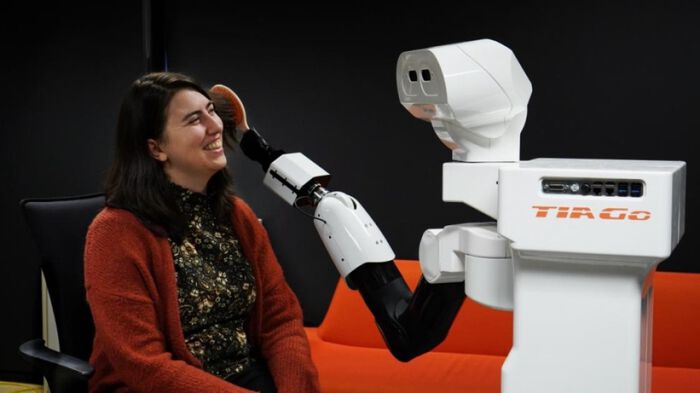
Researcher Marieke van Otterdijk works to give robots intuition. – If we succeed, she says there are many ethical questions to consider.
The robot ZRob can create new rhythms and play the drums faster than humans can play. Professor Alexander Refsum Jensenius believes that the research behind it could be a significant addition to the field of robotics.
One of the biggest hits on Spotify ever came about after a thorough analysis of the rhythm of other tracks in the same genre. The producers were looking for a groove that makes people want to dance.
Musicologist Dana Swarbrick wondered whether concerts could bind people together. Her research suggests that the answer is yes.
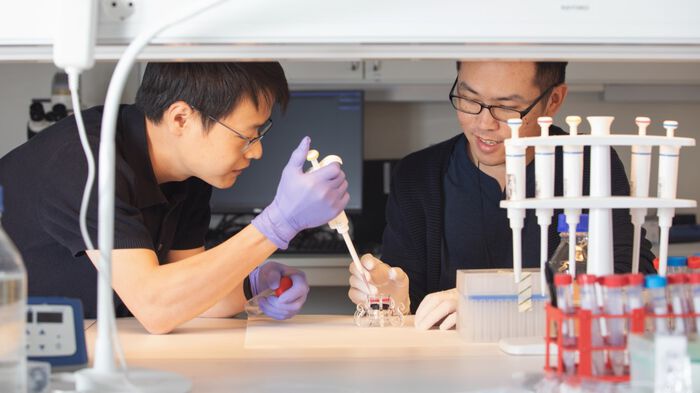
Could music affect cells? According to a recent life science project, it could be possible. The results may be a first step to using music to treat diabetes.
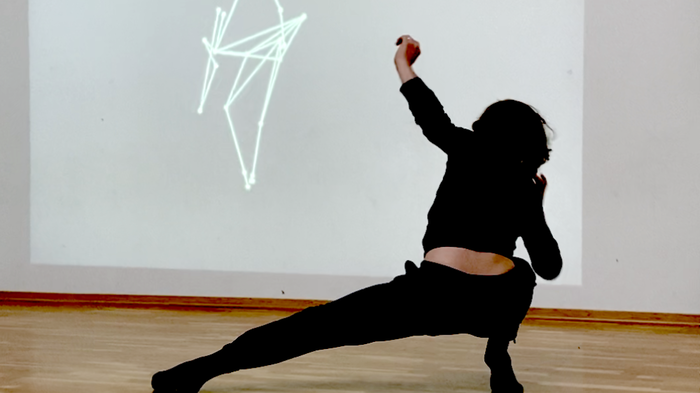
Researcher Benedikte Wallace set out to teach a computer how to dance. She ended up gaining new insight into how artificial intelligence (AI) can be used in creative practice.
Are elite athletes like zombies who can perform on autopilot? Not according to new research.
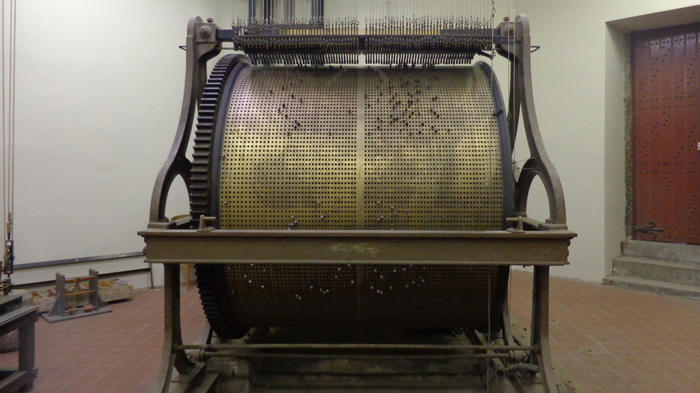
In the past, it was a challenge to make machines play music on the grid. Today, the challenge is the opposite.
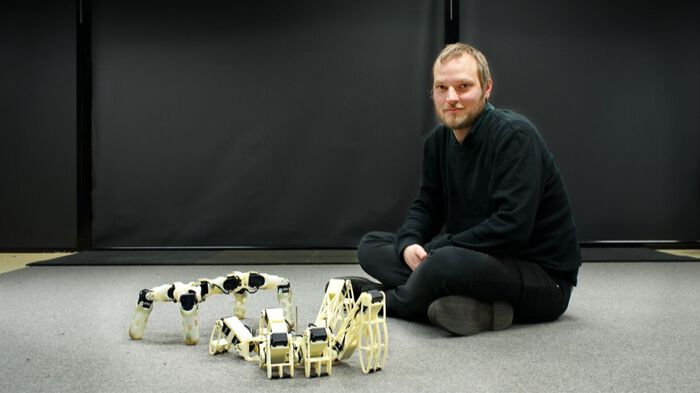
Music can be used to get people to move to the beat, but can you apply the same trick to robots?
Is it important to us that robots use body language when communicating?