The Fragile Flower
At the University of Oslo, a new educational pathway in Mental Health and Psychosocial Support (MHPSS) has been forged not as a conventional course, but as a deliberate intervention in how universities respond to global displacement and crisis. Developed through a partnership between the Global University Academy (GUA), field experts in humanitarian action, and the LINK Centre for Learning, Innovation and Academic Development, the initiative faces a delicate mission.
In a moment of candid reflection during project development, one collaborator captured the emotional weight of their shared endeavor.
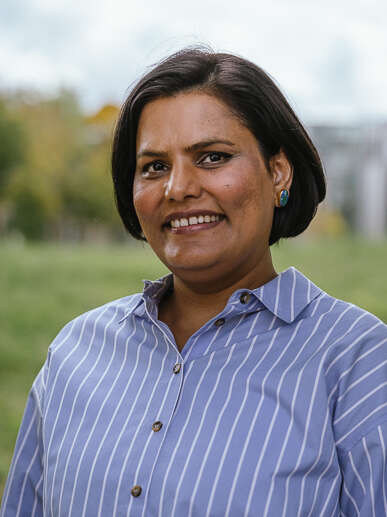
- It's like a little, precious, super fragile flower and we're all trying to carry it around. The material handled: stories of migration, trauma, and psychological recovery is deeply tender, acknowledges Dr. Gulnaz Anjum, one of the course leaders.
In refugee education, pedagogy cannot remain an unfeeling container. The core departure from traditional course development rests on a simple yet radical principle: teaching social sciences in crisis contexts is not just about delivering correct content; it is about creating meaning, connection, and safety.
The Voices Behind the Work
Behind this delicate construction stand educators who have consciously chosen to bring their own identities into the learning space.
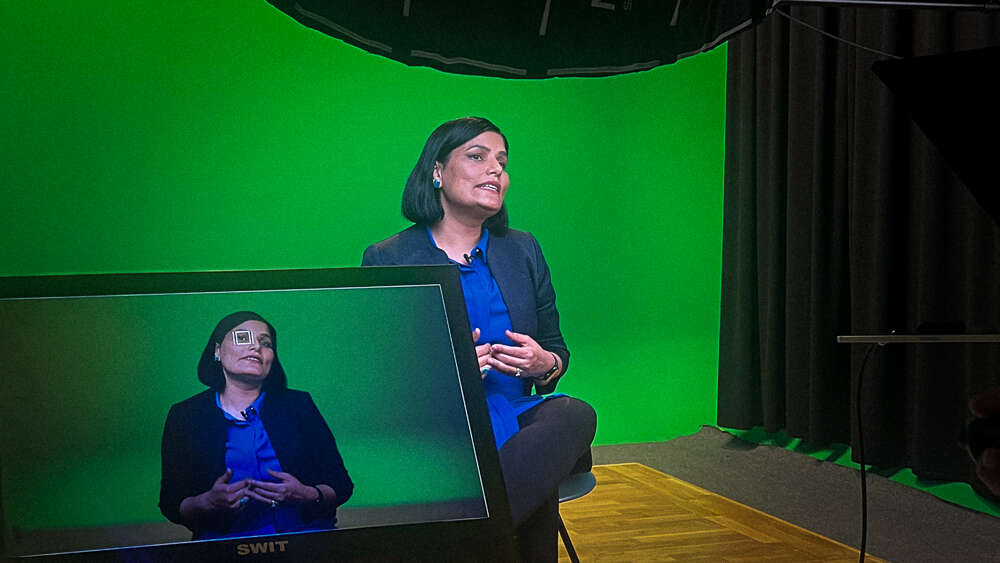
For Gulnaz, a psychologist and course leader with a decade of university teaching experience, the journey required working openly with her own background as a migrant alongside her professional authority. Reframing her personal story for the course introductory videos became a moment of profound reflection.
- As a woman coming from Pakistan, it was harder for me to get into the education system, shares Gulnaz noting that throughout her career in the Global North, she often felt expected to offer a defensive statement of positionality.
- I always felt that I have to explain myself why I'm doing what I'm doing. But this was the first time where it actually became a story where I didn't feel that I was explaining. She speaks thoughtfully about balancing these roles: "There is a fine line between letting course participants know that I'm also a fragile being and I also had some lived experience of being a migrant. And then switching the gears to a very professional, academic and pedagogically sound framework".
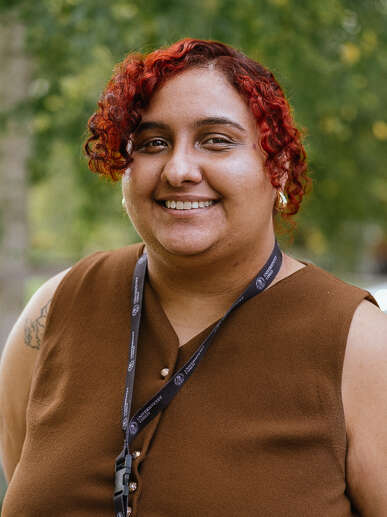
Observing this process from both an insider and outsider perspective was Fernanda Rodrigues Costa, whose background spans human rights, public policy, and mental health. For Fernanda, watching her colleagues construct their video narratives was deeply moving.
- It was like almost if Erling Zahl Urke, who directed the production, was translating educators´souls in order to shorten the gap so that students´souls were represented in the narrative.
She emphasizes that bringing such vulnerability into academic work is a core strength as she observed of Gulnaz's approach, the goal was to be "personal but not private. You offered your story but you weren't trivial, and I think this might help students also bring their own narratives".
When structure does matter
To hold this emotional material responsibly without allowing academic rigor to slip, the team required strong pedagogical scaffolding. Here, the collaboration with the LINK proved vital.
- The pedagogical unit functioned much like a therapist in a clinical setting by not really giving the answers, but provoking the answer of the patient, as Fernanda describes LINKs role.
Through structured workshops using ABC-design methods and Universal Design for Learning (UDL) principles, the lecturers moved from thinking in isolated sessions toward building a coherent, course-wide learning journey.

- Sometimes we are so focused on content delivery that we forget about the pedagogical similarity across the course that also needs to be maintained, Gulnaz observes.
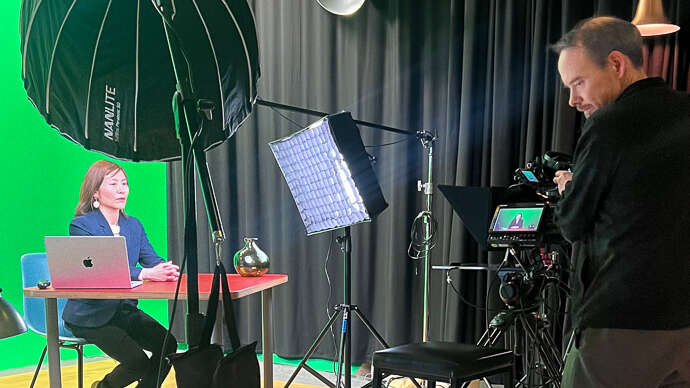
During video production sessions, LINK advisor Erling Zahl Urke worked with the educators to dissect every sentence, evaluating not only academic precision but emotional resonance and student impact.
- He was in every sentence, not only looking for the content, but also the impact it will have on the learner. That was very powerful learning. Structural tools such as shared slide frameworks, joint workshops, and aligned assessment strategies, were deliberately implemented so that students encounter a consistent, supportive environment rather than an unpredictable patchwork of styles, the team recalls.
Learning from the Learning
For a course that functions as a human intervention, evaluation cannot be an afterthought. To keep the curriculum responsive, ethical, and deeply attuned to student needs, the team treats evaluation as an ongoing conversation. This approach unfolds across two distinct, complementary layers:
- First, the teaching team implements formative evaluation directly into the course’s development and rollout. Drawing on their clinical and psychological backgrounds, the leaders gather real-time insights into the friction points students face. They closely track emotional barriers, pedagogical challenges, and the practical or technological hurdles unique to refugee learning environments. Rather than waiting until the term ends, this continuous listening loop allows educators to adjust delivery, refine tools, and adapt support mechanisms as the course unfolds, explains Gulnaz.
Crucially, to ensure that this reflection is not trapped inside a Global North perspective, the team collaborates with a local university partner in Jordan. This partnership introduces a neutral, grounded framework that tests whether the tools and teaching methods actually resonate in field settings.
- Second, the Global University Academy (GUA) conducts an overarching, systemic evaluation across parallel pathways. Operating as a central coordinator, GUA offers an external perspective that compares outcomes across different contexts. This institutional layer ensures that lessons learned from the MHPSS pilot do not remain isolated, but instead inform policy, course design, and humanitarian strategy across higher education, adds Fernanda.
By combining immediate, empathetic feedback on the ground with systemic evaluation at the institutional level, the team ensures that the course remains a living project—constantly listening, reflecting, and evolving.
A Call to Higher Education Leadership
The journey behind the MHPSS pathway carries a clear message for university leadership, educators, and policy-makers across the education sector. Higher education institutions often treat courses as passive containers for information.
However, when an institution designs learning experiences as intentional, ethical interventions, education becomes an active force for healing and empowerment.
By honoring lived experience, investing in pedagogical partnerships, and embedding care into course structures, institutions foster a genuine knowledge-sharing culture. The story of Gulnaz, Fernanda, and their colleagues demonstrates that personal vulnerability and academic excellence are not mutually exclusive, they are complementary pillars of transformative learning. When higher education creates space for the human soul alongside academic rigor, learning itself acts as psychosocial support.
Featured at the 2026 Education Conference Opening
Fernanda Rodrigues Costa and Svein Stølen, boardmember of the Global University Academy (GUA), will participate in the opening session of the Education Conference at the University of Oslo in 2026.